What reading 1,000 patents reveals about Rufus in 2026 - plus proof that AI cites different sources than Google ranks
One specialist who spent 2025 analyzing 1,000 Amazon patents has mapped where Rufus and AI-powered shopping are heading. On Rufus itself: agentic shopping becomes real, with screen-level control based on customer preferences - the capability has been confirmed in controlled testing, and the challenge is only scaling, which Amazon has repeatedly proven it can handle. Rufus keeps its identity as a standalone agent while increasingly powering Alexa+ shopping experiences as the product-intelligence layer. Commerce-specific AI will dominate: domain-trained intelligence built on actual marketplace behavior consistently outperforms general-purpose models trained on synthetic data and benchmarks. And search is being augmented, not replaced - traditional Amazon search and Rufus will coexist through 2026 and beyond, each amplifying the other.
On the broader AI industry, the same analysis predicts smaller, domain-focused language models will outperform massive general-purpose models in real-world applications - deep expertise in a defined problem space beats raw scale. GEO, SEO, and AEO are merging into one unified framework for how people actually search now - expect something like Omni-Search Optimization to emerge. AI engineering becomes multidisciplinary, blending prompting, contextual design, coding, and subject expertise; the most undervalued skill is reading the reasoning chains behind AI outputs. Human oversight stays critical: AI systems without human judgment become fragile, and the best architects know precisely when to step in. On market leadership, OpenAI holds its lead through 2026 with Google narrowing the gap - long-term winners will be decided by distribution reach and workflow integration, not model parameters.
A separate experiment compared Google's top search results with what AI platforms actually cite, and the overlap is surprisingly small. Only 7.8 percent of Google's top-three results get cited by ChatGPT, and 29.7 percent by Perplexity; ChatGPT pulls 89.9 percent of its citations from outside Google's top ten entirely. One striking paradox: a certain discussion forum ranked first on Google 138 times across the test queries yet received zero citations from either AI platform - so forum SEO alone will not buy AI visibility. Major sites that ranked in Google's top three were completely ignored by the AI platforms, while video platforms, encyclopedias, and established editorial explainer sites dominated AI citations even when they were not on Google's first page. The gap widens for commercial queries ("best X for Y"), where AI actively avoids the affiliate listicle content that dominates commercial search. Bottom line: ranking first on Google gives you roughly an 8 percent chance of being cited by ChatGPT. If you are optimizing for AI discovery, Google rankings are not a reliable proxy - you need editorial authority and explainer content.
Microsoft has joined the AI shopping race with Copilot Checkout, letting users browse and buy products directly inside its AI chatbot without leaving the conversation. Payment processing runs through PayPal, Shopify, and Stripe, and sellers from a major handmade-goods marketplace are among the first merchants available. Every big platform now has a horse in agentic commerce.
Operator case study of the week: two brothers built a home-goods brand, Utopia Deals, into one of Amazon's top ten sellers at roughly $770-780 million in revenue - 100 percent bootstrapped, reaching about 20 percent of all U.S. shoppers, by deliberately breaking conventional e-commerce wisdom. They started by liquidating yellow towels on eBay while working software jobs, hit $10 million by 2014, and took no outside capital until their first debt in 2019 - pure cash-flow reinvestment. Their philosophy: volume plus best value equals a sustainable moat.
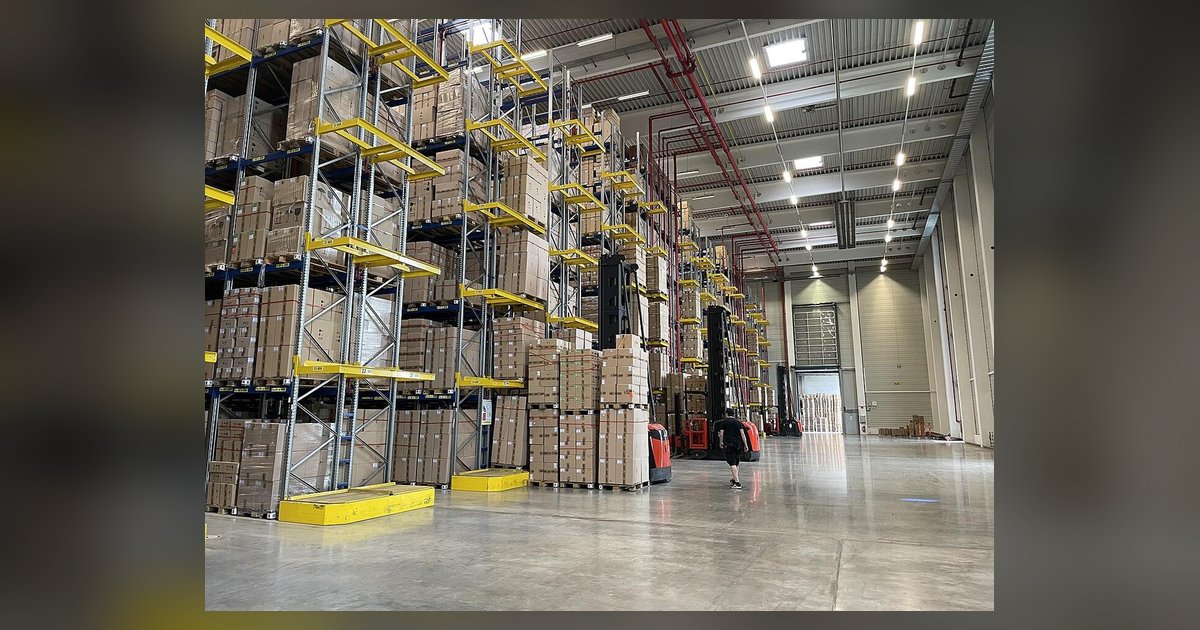
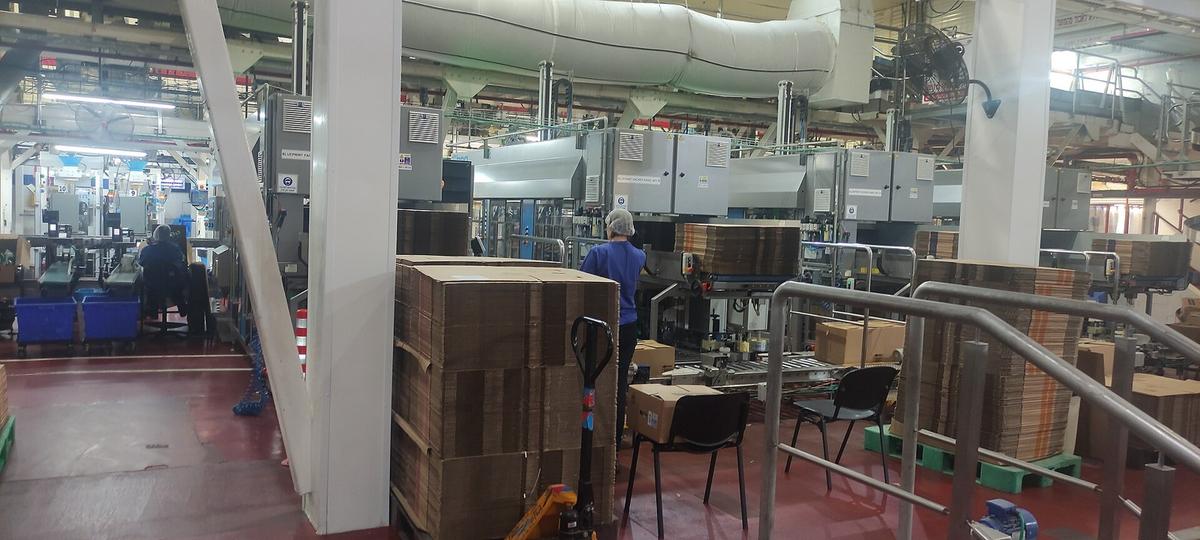
The boldest move was manufacturing. After spending 6 to 12 months designing products only to watch all ten of their Chinese suppliers offer identical products to competitors within six months of each launch, they built their own manufacturing operation in Pakistan with 15,000 employees - managed almost entirely remotely. The unexpected benefits changed the game: one-week turnaround instead of 60-to-75-day lead times, never stocking out (which protects Amazon rankings), instant response to 3x demand spikes, and a 5-to-10x slowdown of copycats, who now face trial-and-error with small orders at higher costs.
They also reject the niche-down rule: 400 to 500 active products across dozens of categories - bedding, electronics, apparel, cookware, luggage, mattresses - on the view that Amazon is big enough to sell anything, so chase better margins and trends rather than locking into one category. On brand-building they are heretics too: brand works for visible, social products like apparel and drinkware, but barely matters for hidden products like bedding and kitchen items - meaningful brand recall needs 50 to 60 exposures a year, and even at their scale they reach one in ten buyers annually. Amazon, in their framing, is a two-tier system: premium brands at $25-35 versus factory-direct at $12-15, with no middle class - and they win the volume tier.
Their operating assumptions are just as disciplined: existing products will lose 5 percent of revenue annually to competition, so growing 20 percent means launching 25 percent new revenue. And on whether Amazon is still worth it: the golden years of 2014-2017 (70 to 80 percent launch success, scaling to 1,000 units a day in a month) are gone - launch success now runs 40 to 50 percent, ranking takes longer, some categories are closed to new sellers - but Amazon is still worth it if you can compete at world-class level in at least one dimension. Their ten takeaways: love competition; master one thing; self-disrupt before others do; PPC is not a strategy; brand matters only sometimes; never stock out; bad hires cost ten times what good hires save; every $0.50 saved is a competitive advantage at scale; innovation gaps remain for designers who understand customers; and success equals competitive advantage times execution.