Trump defends Iran war and tariffs as Smith presses him over midterm losses
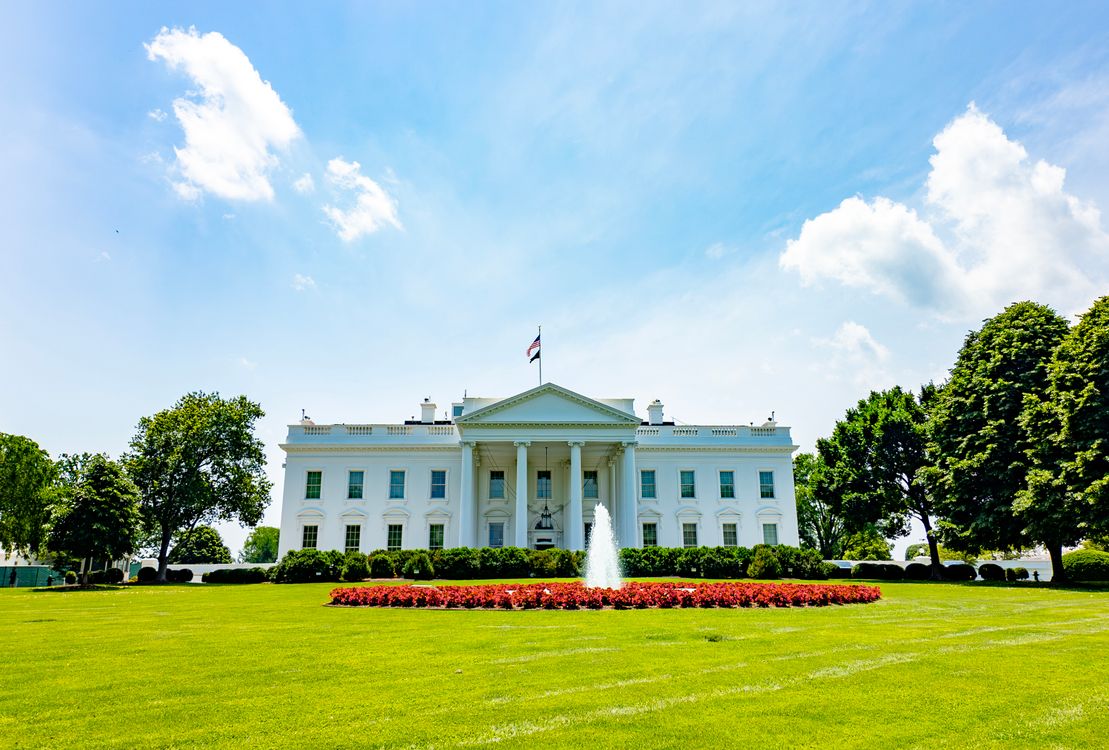
President Donald Trump defended his handling of the Iran war and his tariff policies while resisting responsibility for Republican midterm losses in a White House interview with Stephen A. Smith. In the November 12 conversation, Smith repeatedly challenged the president's argument that he had not personally been on the ballot, pointing to his earlier appeals for voters to treat the election as a vote on his leadership.
Candidates, living costs and responsibility
Trump suggested that some Republican candidates had failed to inspire voters and said higher fuel prices associated with the war had hurt them politically. Smith pressed him on whether voters' concerns about groceries, gasoline and affordability reflected dissatisfaction with the administration itself. Their exchange set out competing explanations for the result; it did not establish the weight of each factor through an independent voter study.
Discussing his endorsement of a Republican candidate in Texas, Trump acknowledged that personal loyalty had mattered to his decision. He also agreed that candidates should take part in debates, saying some appeared to believe his endorsement meant they did not have to work as hard. These were his explanations of campaign choices, not a new election result or a change to the officeholders already elected.
Iran claims and tariff defence
Smith asked why the war continued if the United States had achieved the military successes Trump described. Trump said regional partners preferred continued pressure rather than a more destructive escalation, naming several Gulf states. He maintained that preventing Iran from obtaining a nuclear weapon justified the campaign. Those statements describe the president's account of allied requests and military objectives; the interview itself does not independently verify allied instructions, the extent of military damage or Iran's nuclear capabilities.
On trade, Trump argued that tariffs were encouraging companies to build factories in the United States. Smith questioned whether promised investments were actually becoming construction and jobs that households could see. The president insisted projects were under way. Announced investment, a factory under construction and a completed plant employing workers are different stages; the discussion did not provide an independently audited inventory of completed projects.
Nvidia comments retain an important uncertainty
Asked about former Nvidia chief executive Jensen Huang, Trump said he did not know whether a woman connected to the controversy had been established to be a spy. That qualification matters: his remarks cannot be treated as proof of espionage. He again suggested Tim Cook as a possible leader for Nvidia, but a presidential preference is not a board appointment, an offer or an acceptance by Cook. The interview does not announce a completed succession decision.
Trump said he expected to veto measures he considered harmful while remaining open to deals with Democrats on health care, drug prices and immigration. That was a statement of negotiating intent, not an agreed legislative package. The main news from the exchange is the president's defence of his course under sustained questioning, rather than independently confirmed economic or military outcomes. The photograph shows a general exterior view of the White House, not the interview or a new event at the building.