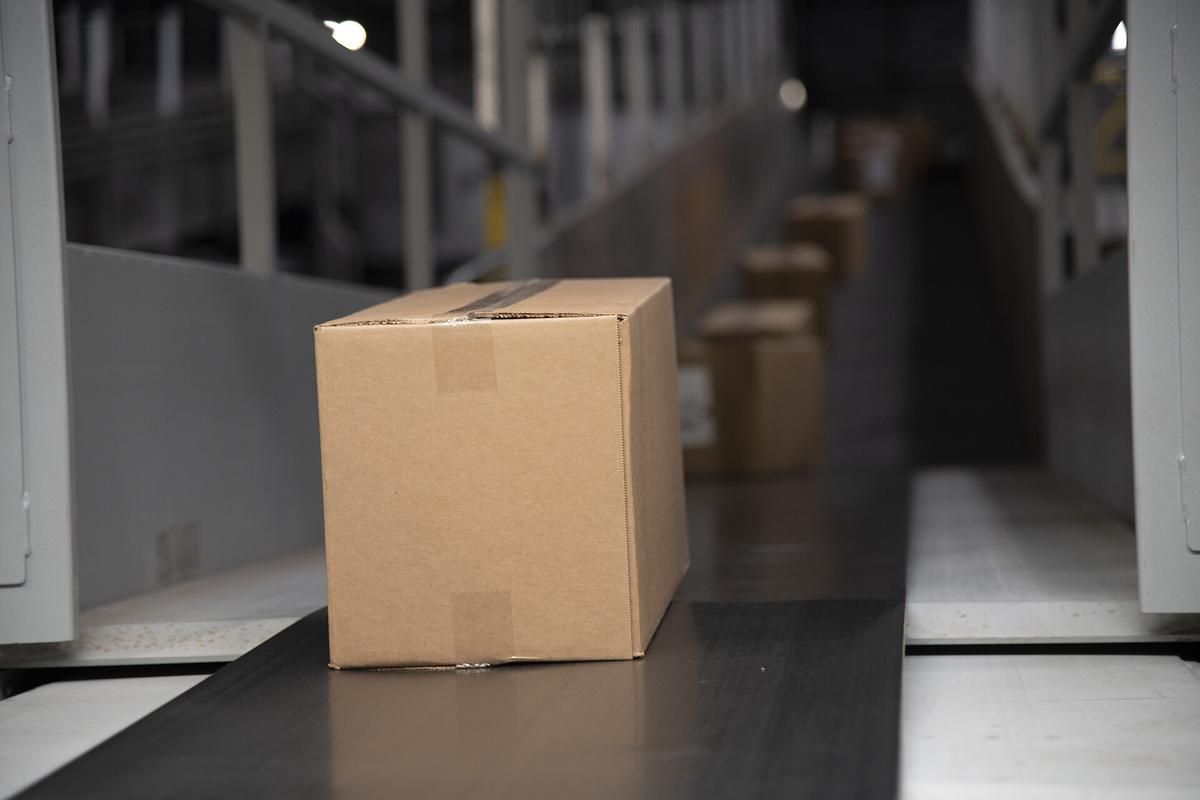
Brands accelerate Plan B supply chains beyond China as tariff pressure persists
After nearly three decades of manufacturing in China, sourcing veterans are delivering a consistent message to consumer brands: never concentrate everything in a single country.
The companies that weather geopolitical upheaval are not the ones reacting at the last minute but the ones that prepared early. The ideal time to build an alternative supply chain was yesterday; today is the second-best time.
The biggest players are already moving. Retail giants including Walmart, Target and QVC are quietly expanding sourcing into Vietnam, Cambodia and India, and sourcing firms that once centered on China now staff dozens of full-time employees across Southeast Asia to support the shift, touting defect rates in non-China facilities that match or beat established operations.
The drivers are not expected to reverse: tariff threats persist, the political landscape is not shifting back overnight, and every month of delay hands ground to competitors who diversified sooner.
For smaller sellers, the practical path runs through discovery calls and phased transition plans rather than wholesale abandonment of Chinese factories, with quality-control rigor cited as the make-or-break factor when qualifying new facilities. The consensus among supply-chain advisors is blunt: a Plan B is no longer optional insurance but a core part of the 2026 operating plan.