WorldClaw’s WorldRouter illustrates why gateways must expose the true downstream model and provider.
WorldClaw’s WorldRouter illustrates why gateways must expose the true downstream model and provider. Policy-aware routing should evaluate jurisdiction, licence, data handling, cost, availability and capability rather than hide them behind a single endpoint. Anthropic’s reported projection is a financial signal, not a model-capability release.
The Microsoft investigation reinforces a capacity-state model: announced → contracted → built → powered → fitted → networked → production available. Capacity, utilisation, customer allocation and energy efficiency should be separately observed. EDUCAUSE’s data session is a timely reminder that RAG and agents inherit source-system quality, access and retention defects.
SANS is addressing cloud and AI-security operations, while the Bremen workshop focuses on physical-AI assurance. Together they point to shared controls: strong workload identity, least privilege, immutable telemetry, policy gates, incident containment and rehearsed recovery.
WorldClaw’s acceptance of USD1 shows that model marketplaces may combine routing and settlement. Financial institutions should assess AML/KYC responsibilities, token and counterparty exposure, model-provider terms and cross-border data transfers. Anthropic’s forecast should be treated as scenario data, not booked revenue.
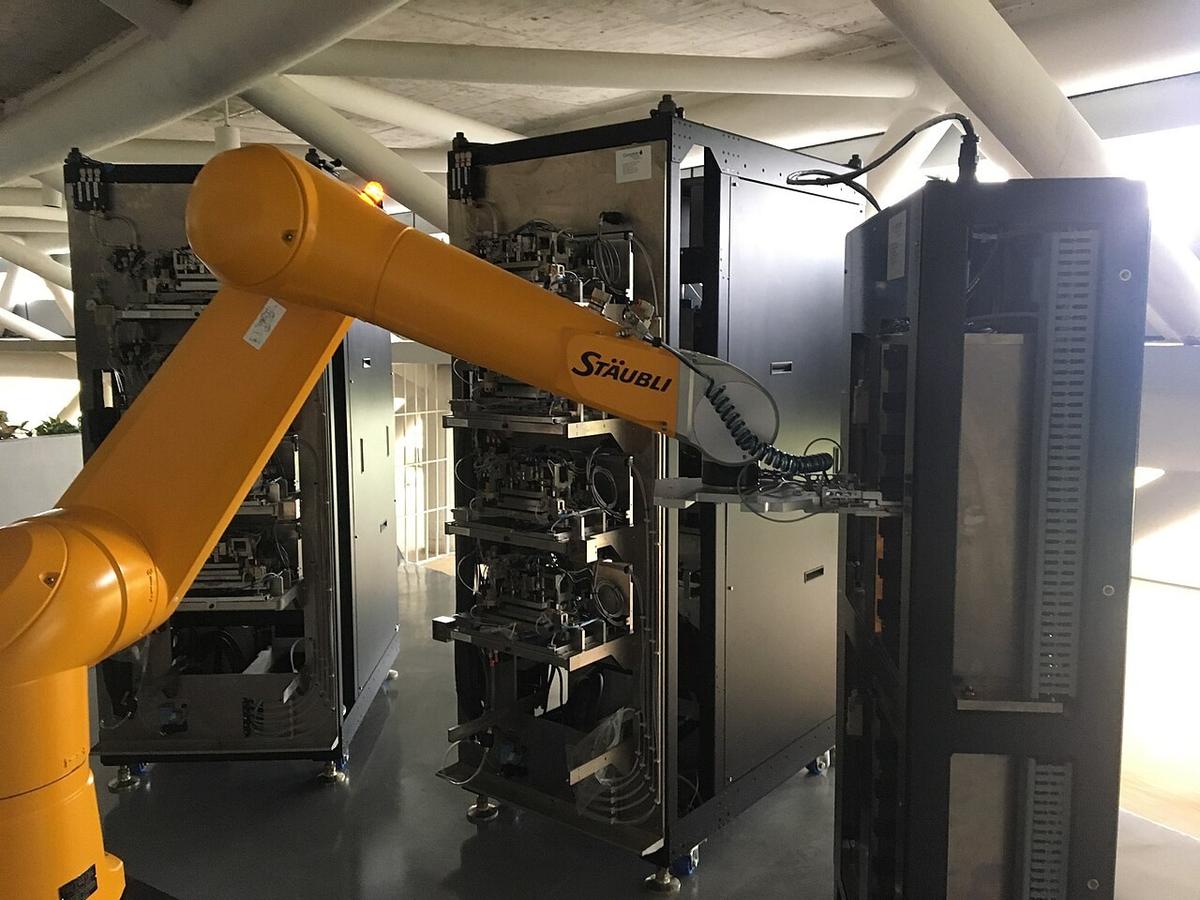
Unitree’s listing and the Microsoft capacity dispute show different ends of physical infrastructure: robot manufacturing and datacentre deployment. In both cases, disclosed outputs should be separated from verified production availability and sustained utilisation.