5 tips for coping with sciatica

November 13 update: a missing exercise example and urgent warning signs
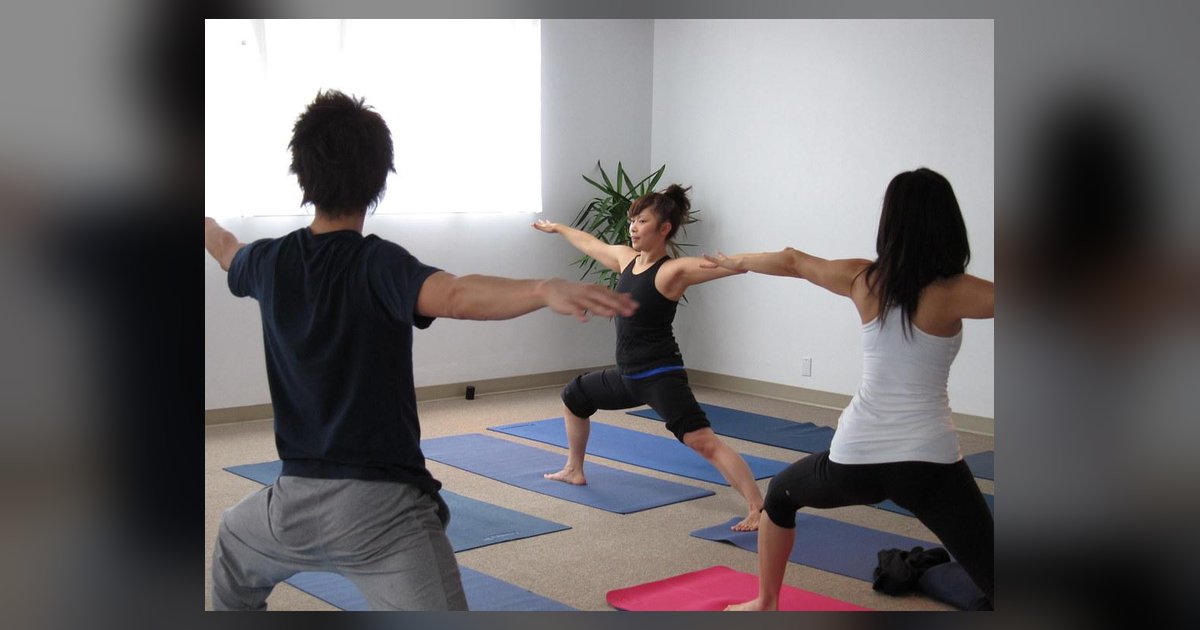
The supplied October 2024 article names yoga and Pilates as ways to strengthen the core and gives planks and bridges as examples. Those examples were missing from the earlier bilingual body. They are examples of movements, not a personalised exercise prescription: suitability and technique depend on the person and their symptoms. A physiotherapist or other treating professional can help choose an appropriate starting point. The original discussion below retains its broader points on gradual activity, the muscles supporting the spine, sitting breaks, posture, smoking and sleep.
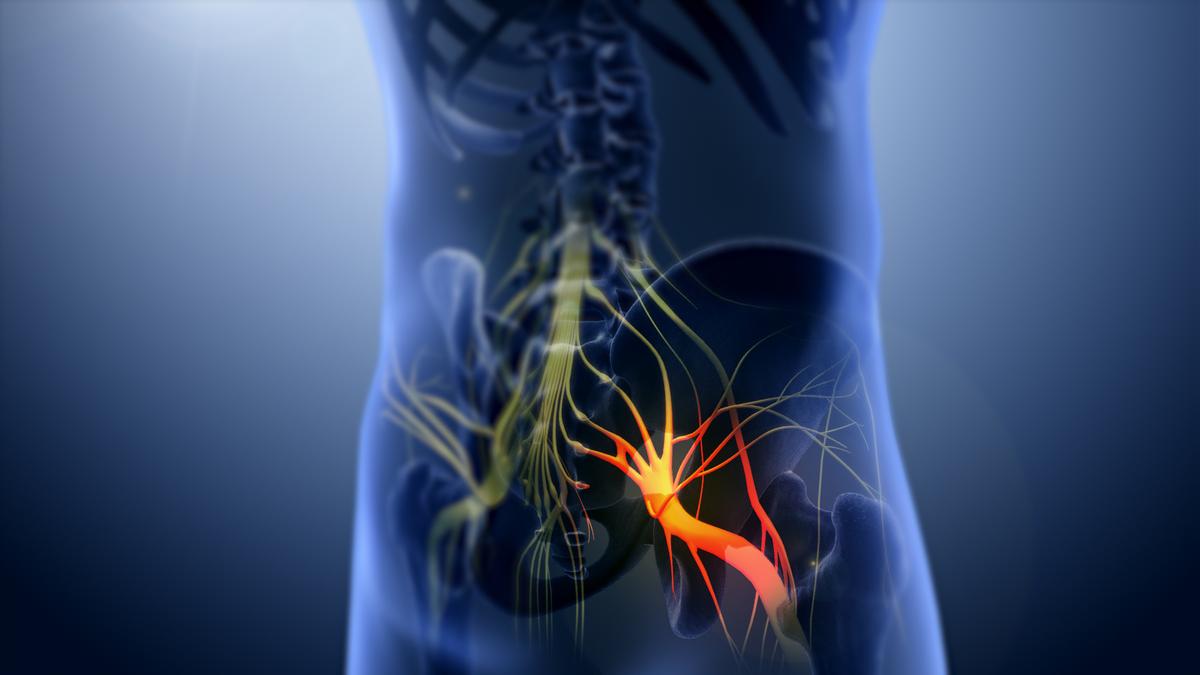
Sciatica pain commonly travels through the buttock and down the back of a leg, sometimes reaching the calf, foot or toes. In the Tamil introduction, calf means the lower leg below the knee, not the cheek of the face; that translation has been corrected. The older recovery wording is not a deadline or a guarantee. Current NHS guidance says improvement often takes a few weeks to a few months, and symptoms can last longer or recur.
Seek emergency assessment immediately for sciatica on both sides, severe or worsening weakness or numbness in both legs, numbness around the genitals or anus, or a new change in bladder or bowel control, including difficulty starting urination, inability to pass urine or loss of awareness of bowel movements. These can signal a serious spinal problem requiring hospital care. Do not wait for an exercise programme to work or drive yourself if emergency symptoms are present; use local emergency services, including 000 in Australia.
For symptoms without emergency warning signs, current NHS guidance supports staying active and beginning gentle movement rather than prolonged sitting or bed rest. Get medical review if pain worsens, prevents usual activities or has not improved after a few weeks of home care. Ask for exercise advice if uncertain, and stop an exercise that causes joint pain that does not settle promptly. This safety update does not diagnose the cause of a reader's pain or confirm that every suggested movement below suits every person.
Sciatica produces pain that starts in the lower back and travels through the buttock, leg, calf, and sometimes the foot. It can be a disruptive, painful condition - but early intervention and lifestyle adjustments can markedly ease symptoms and improve quality of life.
Increase exercise
Exercise is an important way to prevent sciatica. If symptoms have already set in, staying physically active can actually help dial down your pain. Consider these types:
Aerobic exercise, such as walking, jogging, swimming, dancing, and other activities that raise your heart rate
Strength training, such as work with free weights or weight machines, or isometric exercises, which contract muscles without visible movement
Flexibility training, such as yoga, tai chi, Pilates, and similar activities that build both flexibility and strength.
The "best" exercise is the one you enjoy and will keep doing over the long term. When starting a new kind of exercise, always "start low and go slow."
Strengthen your core
It may not be obvious that a stronger core improves spinal health. But your core is more than your abdominal muscles, important as they are to spinal stability. The muscles of your back, sides, pelvis, and buttocks belong to your core as well, and strengthening all of them helps support your spine.
Avoid sitting for long periods
Long stretches of sitting press on the discs and ligaments of the lower back. If your job demands a lot of sitting, take frequent breaks or try a standing desk. Less sitting is better.
Practice good posture
There is no evidence that poor posture causes back pain, but it can aggravate existing pain. Good posture does not require walking around with a book balanced on your head. Try these tips:
Notice your body's position whenever you stand or sit.
To keep from slouching, draw your shoulders down and back, as if your shoulder blades could touch.
If you work at a computer, take frequent breaks, and position your monitor so you can see it without bending your head down or tipping it back.
Avoid smoking
Beyond its general harm, smoking cuts the oxygen reaching your tissues. Since spinal discs have a meager oxygen supply to begin with, smoking raises the risk of the disc degeneration and damage that can lead to sciatica.
Get enough sleep
Like your brain, your spine needs rest. While you are awake and upright, it bears your body weight and absorbs the forces of daily life. Aim for seven to nine hours of sleep a night. These tips support spine-healthy sleep:
If you need a new mattress, choose one that feels comfortable and keeps your spine aligned - firmer is not automatically better. A mattress with a money-back guarantee gives you time to test whether it suits you.
If you sleep on your back, a two-piece wedge cushion may ease sciatica pain: one piece goes under your legs, the other under your back. A no-purchase alternative is to prop your back slightly raised on two thick pillows, then slide one or two flatter pillows under your knees.
If you sleep on your side, place a contoured pillow (or any plump pillow) between your knees, and use a thick pillow under your head to keep your upper spine aligned.
Stomach sleeping is the least preferred position with sciatica. If it is the only way you can get comfortable, use no pillow or only a flat one under your head, and tuck a plump pillow under your hips to align your spine.
The vast majority of people with sciatica recover within a few weeks. With careful attention, treatment, and preventive steps, you also stand a good chance of keeping it from coming back.