8 ways to get constipation relief
Most healthy adults move their bowels anywhere from three times a day to three times a week. Constipation means bowel movements that come less often than expected, or stools that are hard, dry, and difficult to pass. Common as it is, constipation is still uncomfortable and stressful when it strikes.
The encouraging news: most people with simple constipation can find relief at home through diet changes, hydration, or the careful use of laxatives. Here are the leading options:
1. Dietary fiber
A good first step is to eat more fiber. Needs vary by age and sex, but adults generally should get 22 to 34 grams of fiber a day. Fiber comes in two forms, soluble and insoluble, and both matter for health, digestion, and disease prevention.
They behave differently in the body. Soluble fiber soaks up water from your food and turns into a gel, which slows digestion. Some forms of soluble fiber may also help lower cholesterol and the risk of heart disease. Foods rich in soluble fiber include:
Oat bran
Barley
Seeds
Beans
Lentils
Some fruits and vegetables
Insoluble fiber does not absorb water; instead it adds bulk to the stool. It helps food move more quickly through the stomach and intestines, easing constipation. You can find it in foods such as:
Wheat bran
Vegetables
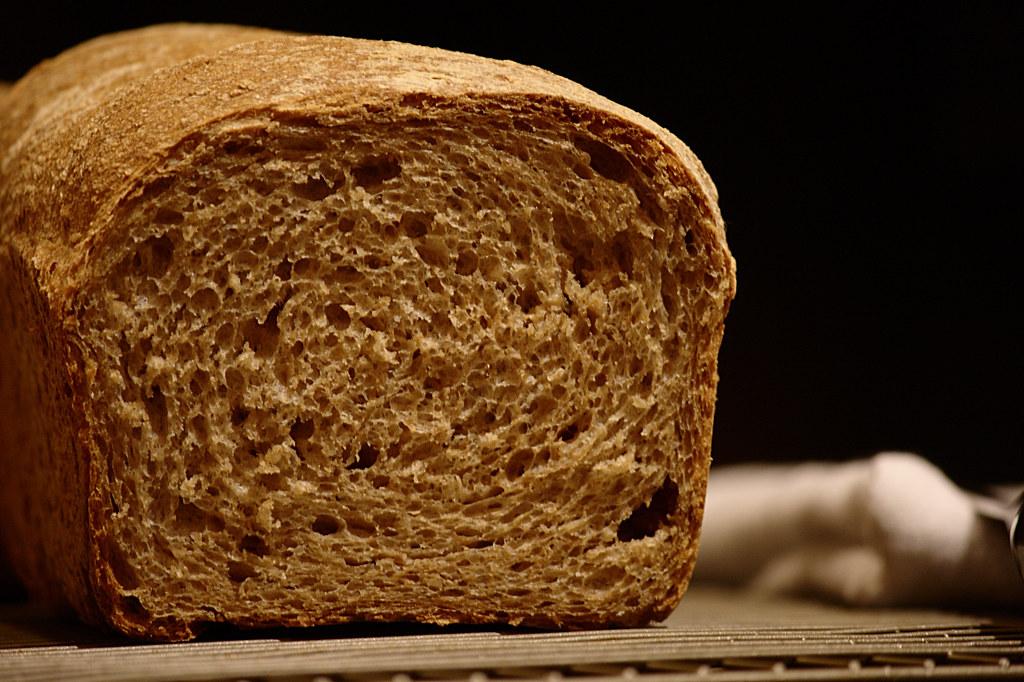
Whole grains
You can look up the fiber content of common foods and drinks on the USDA food sources of dietary fiber page.
2. Fiber supplements
Because fiber from food brings so many benefits, aim to meet as much of your daily need as possible through what you eat. Still, only about 5% of the U.S. population reaches the recommended fiber intake. For people falling short, fiber supplements are a convenient way to bolster a low-fiber diet. Well-known options include psyllium, wheat-bran, and methylcellulose fiber supplements.
Fiber supplements are among the safest ways to encourage regular bowel movements, although they work slowly and can cause gas and bloating. Drink plenty of fluids when taking them. Since many types exist and some offer additional benefits, ask your doctor which fiber supplement suits you best.
3. Hydration
Drinking enough fluid is an important part of relieving constipation. Water, other liquids, and water-rich foods help fiber do its job, making stools softer and easier to pass. Good choices include:
Water
Naturally sweetened fruit juices
Vegetable juices
Clear soups
Staying hydrated supports overall health and can keep constipation from developing in the first place. How much water do you need? Most people do well with about four to six cups of plain water a day, though the ideal amount really varies from person to person.
4. Osmotic laxatives
The name sounds technical, but osmotic laxatives include products you probably know, such as milk of magnesia. These medicines use natural salts, magnesium salts, or undigested sugars to pull water into the large intestine, which softens and loosens the stool. Polyethylene glycol (PEG) products are another example.
5. Stool softeners
Stool softeners, such as docusate, add moisture to the stool so it passes more easily. They are often suggested for people who should avoid straining - for example, those with hemorrhoids or anyone recovering from abdominal surgery.
6. Lubricants
Lubricants like mineral oil help stools slide out more easily. They can be a reasonable choice when stools feel stuck low in the bowel, when there is an internal tear or fissure, or when hemorrhoids make bowel movements painful. Mineral oil is swallowed, and it can cause pneumonia if it is accidentally inhaled into the lungs.
7. Stimulant laxatives
Stimulant laxatives make the intestines contract more often or more forcefully, pushing stool through the colon. Products containing senna, cascara, or bisacodyl are the more aggressive options. They can ease severe constipation or cases that have not responded to other treatments. Because of their side effects - and the risk that the large intestine can become dependent on them - stimulant laxatives should be used only as directed and only for short periods.
8. Enema
Enemas are another route to relief. They flush stool mechanically from the rectum and the lower part of the large intestine. An enema works by loosening stool in the rectum, which stretches the rectal wall and triggers the rectal muscles to squeeze in response.
When to call your doctor
If self-care measures do not work, see your doctor. A prescription medicine may be appropriate, or your doctor may recommend a high-fiber diet, a stool-softening medication, or a laxative to restore regular bowel movements.