How to get more fiber in your diet
Diverticulosis is a very common condition of the colon in which small pouches develop along the colon wall. Most people with diverticulosis never notice any symptoms. Occasionally, though, one of these pouches becomes inflamed, usually because of a bacterial infection.
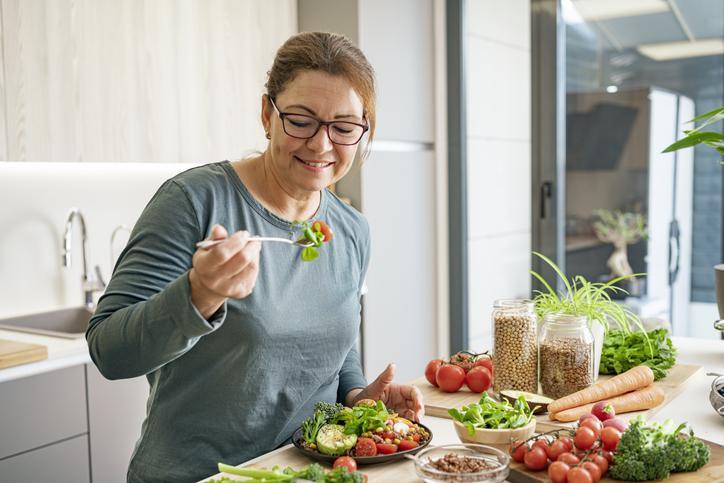
To lower your chances of developing diverticulosis and diverticulitis, work high-fiber foods into every meal. A good target is to have fiber-rich food cover up to half your plate.
The following tips can ease the move toward eating more fiber.
Get at least three servings of vegetables and two servings of fruit daily. That is the five-a-day pattern recommended by the USDA's Dietary Guidelines for Americans. As a rule of thumb, one serving means a single piece of fruit, half a cup of raw fruits or vegetables, or a cup of leafy greens.
Build fruit, vegetables, or both into every meal. You might have fruit at breakfast and as a snack, then vegetables at lunch and dinner.
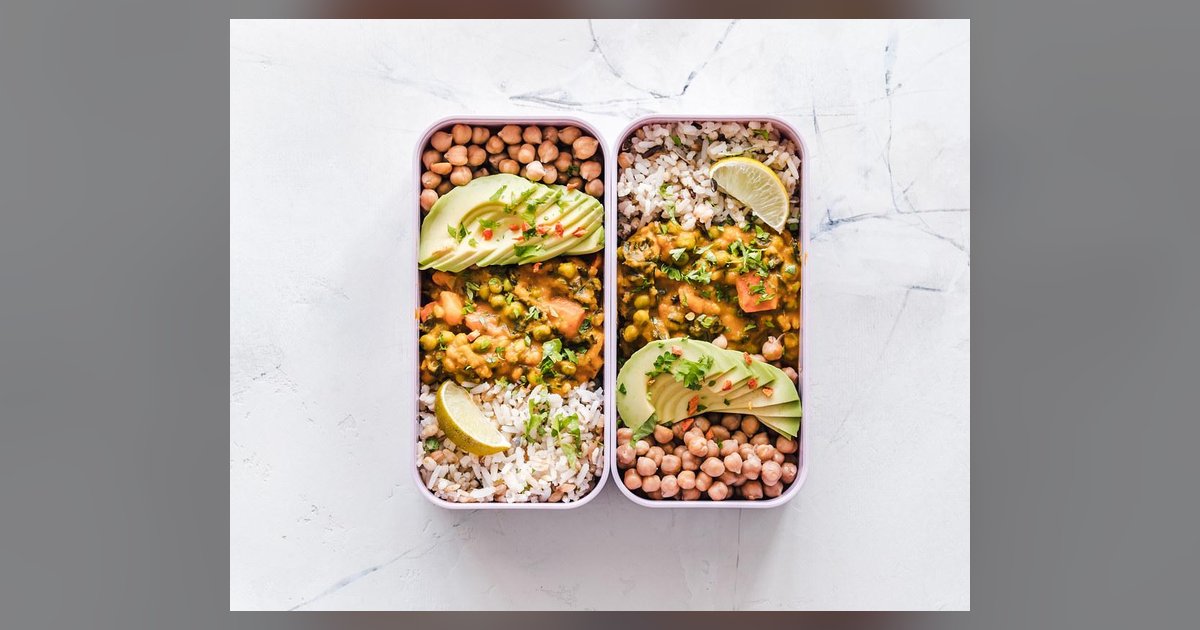
Eat pulses (the seeds of legume-family plants) such as beans, lentils, and peas at least three times a week. Use them as the plant-based protein in meatless dishes, or swap them in as the starchy side instead of grains. Fish served over lentils rather than rice is one example.
Turn to nuts, seeds, and fruit when you want a snack. You can also stir them into yogurt, oatmeal, salads, and stir-fries.
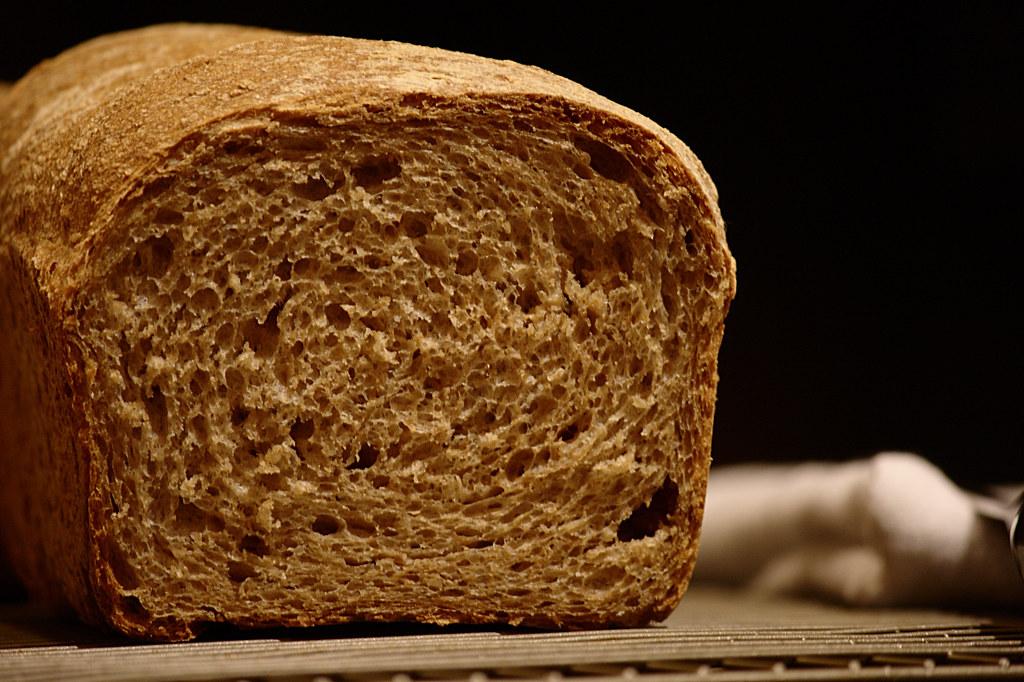
Trade refined grains such as white rice for whole grains such as brown rice, wild rice, or bulgur. When buying pasta, look for varieties made from quinoa or pulses like chickpeas and lentils.
Read nutrition facts labels for dietary fiber content, and aim for at least 5 grams of fiber per serving.
Avoid loading up on fiber all at once. Too much too fast can bring on gas, bloating, diarrhea, and abdominal cramps while your gut bacteria adjust to the extra fiber. These troubles fade as your digestive system adapts, and you can sidestep them by increasing fiber gradually.
One approach: add a single extra serving of a high-fiber food to your day for a week and notice how you feel. Take another week if you need it. When all is well, add one more daily serving for the next week. Keep going until you hit your daily fiber goal.
Drink plenty of fluid through the day as well - roughly 16 ounces of water, four times a day. Extra water helps fiber move through your digestive tract and keeps stomach distress at bay.