Building a plan for healthy eating
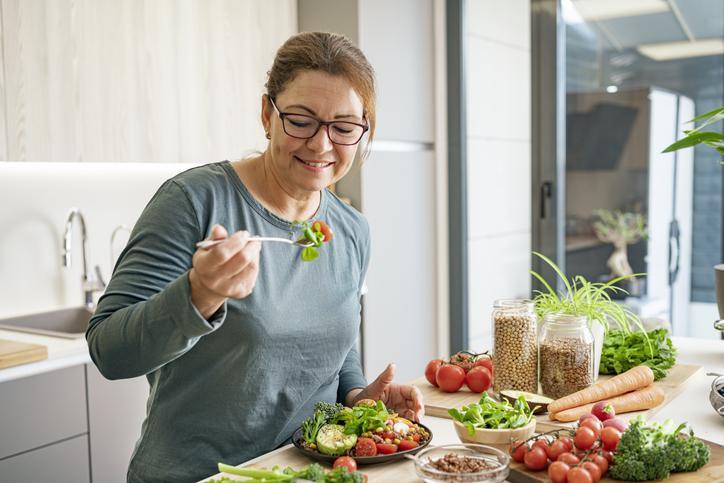
You probably already know which foods belong in a healthy diet. But reshaping your mental picture of a healthy meal takes time. Over the years, many of us have grown used to seeing the hunk of meat in the middle of the plate as dinner, with the salad or vegetables on the side as a fine extra, but never the main event. Changing your dinner plate starts with changing your idea of what a plate of healthy food should look like.
A healthy plate
To eat well at home, it helps to think about what should actually be on your plate. Some guidance:
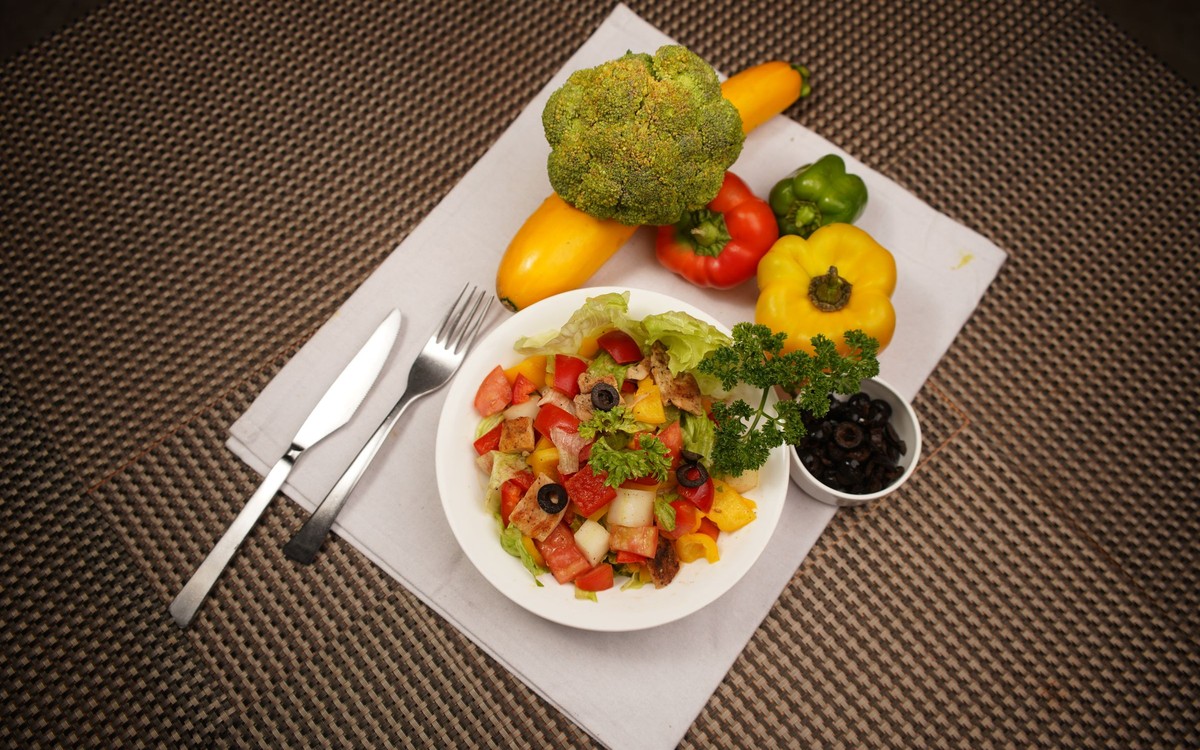
Fully half the plate should hold fruits and vegetables. Aim for a variety of colors and types - and note that for this purpose, potatoes, including French fries, do not count as vegetables.
A quarter of the plate goes to whole grains, and not just any grain: whole and intact grains such as barley, quinoa, oats, and brown rice are good choices.
The final quarter is for healthful protein sources like fish, beans, nuts, seeds, poultry, and eggs. High-fat meats and processed or cured meats do not belong here, and red meat and cheese should be limited.
Cook and dress your food with healthy oils such as olive and canola, and go easy on butter.
Drink low- or no-calorie liquids - water, coffee, tea. Skip sugary drinks, and limit milk to one or two servings a day.
Plan ahead for healthy eating
If you come home from work to an empty refrigerator, you are unlikely to cook a healthful meal. Staying on top of healthy eating takes a little organization. Try these planning tips:
Plan your meals for the week, even as a rough outline. Rely on a mix of easy go-to dishes you can make without a recipe, with one or two new recipes on quieter days to keep things interesting.
Write a shopping list that covers the fresh items you need plus any pantry staples running low.
Schedule shopping trips for times when you are least stressed and not hungry, so you make wiser food decisions.
Keep enough staple ingredients on hand - frozen vegetables, canned beans, whole grains, eggs, whole-grain pasta - to build a healthful meal any day of the week.
When buying perishable foods, buy only what the week calls for. You will waste less food and money and feel less obliged to overeat.
Read food labels and avoid products high in sodium, added sugars, and saturated fat.
Prep the night before as needed: move frozen fish to the refrigerator to thaw, soak and cook beans, chop the next day's vegetables.
Use healthful cooking techniques - saute in moderate amounts of healthy vegetable oil, roast, bake, poach, or simmer - instead of deep-fat frying.
Consider keeping a food journal. Several studies suggest it can help you stay accountable to your health goals and succeed with them.