Cooling off heartburn
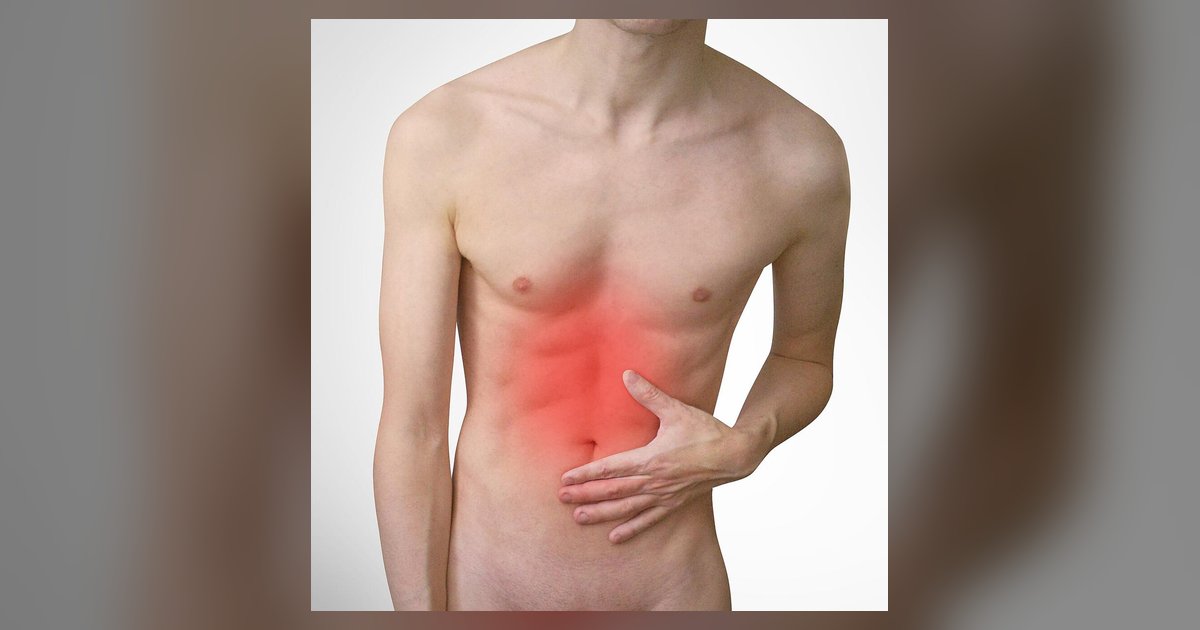
Everyone gets heartburn at some point - that deep, painful burning in the chest that can be intense enough to be mistaken for a heart attack. Heartburn (also called acid reflux) happens when stomach acid flows backward into the esophagus, the tube between mouth and stomach. It often follows eating too fast or too much, or rich, spicy, or acidic foods.
Heartburn usually passes on its own, but sometimes an over-the-counter remedy is needed, and more severe, ongoing heartburn may call for stronger medication. Which should you use, and when? Here is a breakdown.
Occasional heartburn
For now-and-then heartburn, use antacids. They quickly neutralize digestive acids in the stomach and esophagus and work well for mild, occasional episodes, giving immediate relief.
Liquid antacids act fastest, though many people find tablets more convenient. Over-the-counter antacids come in three categories: magnesium-based, aluminum-based, and calcium-based antacids. There is no data showing one type outperforms the others.
Other products, like Gaviscon, combine aluminum and magnesium; the mix forms a foam layer that floats on top of the stomach contents and helps block reflux. Another option is a seltzer (Alka-Seltzer), whose active ingredient is sodium bicarbonate (baking soda). These are the least powerful antacids, and they are high in sodium - avoid them if you are on a salt-restricted diet or have heart failure, high blood pressure, or kidney problems.
Recurring heartburn
If heartburn strikes several times a week, symptoms worsen, or antacids stop working, try an over-the-counter H2 blocker. These block histamine, the chemical that tells the stomach to produce acid. Brands include famotidine and cimetidine.
H2 blockers are taken twice daily for one to two weeks. People whose heartburn troubles them only at night often need just one evening or bedtime dose. They are fine for short-term use, but check with your doctor if you still need one after a few weeks - a stronger prescription version exists. Also talk to your doctor first if you take a blood thinner, an antidepressant, or blood pressure medication.
Making changes
If you take medication for recurring or persistent heartburn, work on healthy lifestyle habits too. They reduce your reliance on drugs and may eventually let you stop them. For example:
Weight loss and exercise. Losing excess weight and getting at least 30 minutes of moderate exercise daily can prevent flare-ups and ease symptoms.
Avoid trigger foods. Keep a daily food diary listing what you eat and drink alongside your symptoms. Remove one suspect for two weeks, then reintroduce it and watch whether symptoms return. Repeat until you identify your triggers.
Eat smaller meals. A large meal can sit in the stomach for hours, raising the risk of reflux. Eat smaller, more frequent meals instead of three large ones.
Persistent heartburn
If symptoms become intense or linger beyond two to three weeks despite an H2 blocker, see your doctor. Persistent heartburn is usually caused by gastroesophageal reflux disease, or GERD. With a GERD diagnosis, your doctor will probably recommend a proton-pump inhibitor (PPI), the strongest class of acid-suppressing medication.
PPIs - such as omeprazole, lansoprazole, and esomeprazole - stop certain cells from pumping acid into the stomach, lowering acid levels and relieving heartburn pain. They are available over the counter or by prescription and are usually taken once a day.
Nonprescription and prescription PPIs work essentially the same way; your doctor will advise which you need. Long-term PPI treatment is often necessary because heartburn typically returns when treatment stops - but once it is under control, you may be able to step down to a lower-dose PPI or switch to an H2 blocker.