Exercising with knee or hip pain

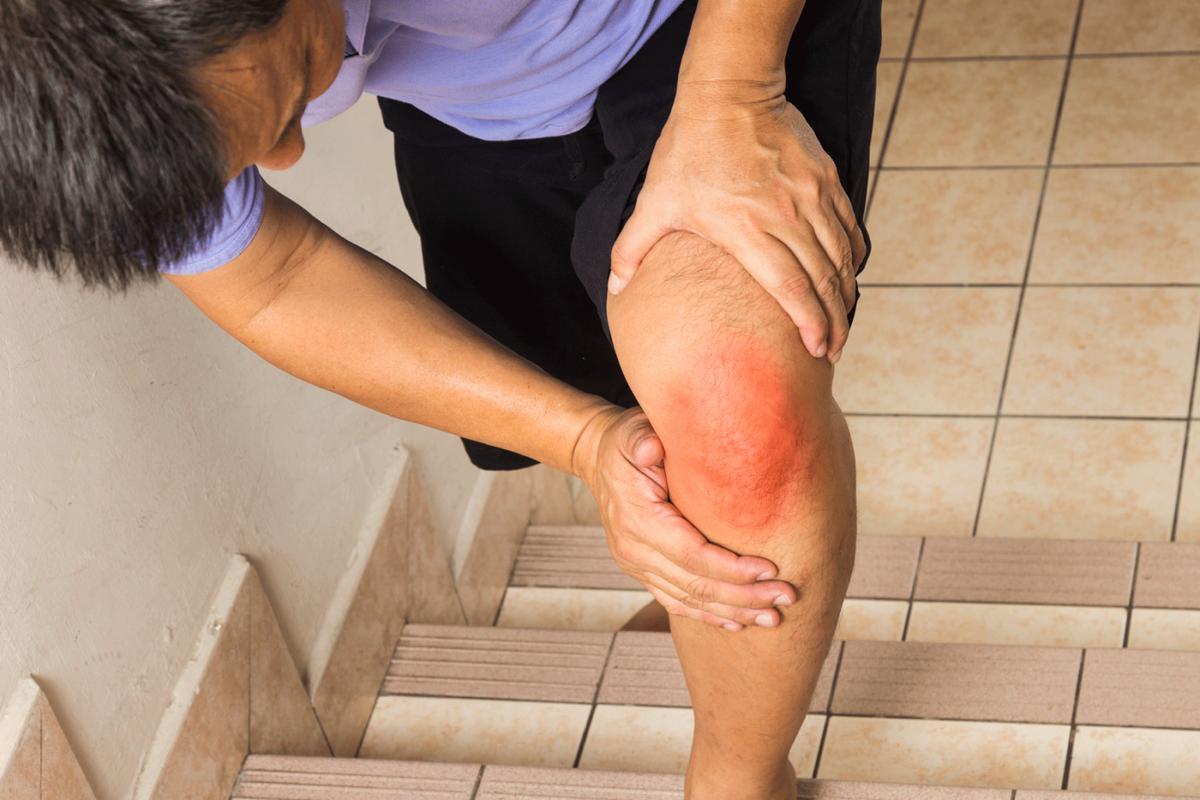
If knee and hip pain is part of your life, it may be time to step up your exercise. Beyond being a healthy habit, exercise is an effective treatment for many knee and hip problems - and moves that strengthen the muscles supporting those joints can be especially helpful.
Strong muscles around a damaged knee or hip can take over some of the joint's workload. Your hips, for example, carry your body weight more easily when your quadriceps, gluteals, hamstrings, and abdominal muscles are strong. Strong quadriceps and hamstrings can also absorb some of the shock that the meniscus and cartilage in the knee normally handle.
Balance matters too. The right balance of strength across your muscles holds a joint in its most functional, least painful position. Muscles work in pairs: one contracts while its opposite relaxes. When you straighten your knee, the quadriceps at the front of your thigh contract while the hamstrings at the back relax. Imbalances between paired muscles can cause joint problems and invite injury.
If your hamstrings are tight, your quadriceps cannot contract fully and may weaken - so work the quadriceps and hamstrings equally. Flexibility exercises that stretch and relax specific muscles are also an important part of any plan to improve joint function.
How to go easier on the joints
With knee or hip problems, choose your exercise carefully. Running or fast walking on hard sidewalks and pavement is tough on joints. If you love those activities, do them on a track or treadmill and wear well-cushioned shoes to soften the impact. Better still, consider swimming or cycling, which are much kinder to your joints.
Exercising in water has special advantages:
The water supports your weight, taking stress off your joints.
You can try out exercises in a supported environment before attempting them on solid ground.
An 85-degree F pool is comfortable for exercise and soothes the joints.
You can build range of motion and endurance without strenuous effort or joint pain.
Aim to do leg resistance exercises two to three times a week to strengthen the muscles that support your knees. Stronger muscles dampen the forces that travel through the knee.