Improving your mobility
Updated: 2026-11-12

Later supplied newsletter note: May 16, 2026
The May 16, 2026 supplied newsletter adds: if you have health issues that might affect your ability to exercise, ask your doctor about physical therapy or personal training first. The earlier article and its condition-specific pre-exercise safety checklist are retained below. This is dated educational source content, not an individual exercise prescription.
Earlier article retained
It cannot be said enough: staying physically active is the single most important thing you can do to keep your mobility and independence, whatever your age or health status.
Health benefits of exercise
Being active helps you control your weight and keeps your muscles and bones strong, your joints working well, your heart healthy, your mood lifted, and your metabolism humming. The more you move, the better your strength and balance - and the less likely you are to fall or lose the ability to manage basic daily tasks. You also cut your risk of cardiovascular disease, type 2 diabetes, and some cancers.
How much exercise do you need?
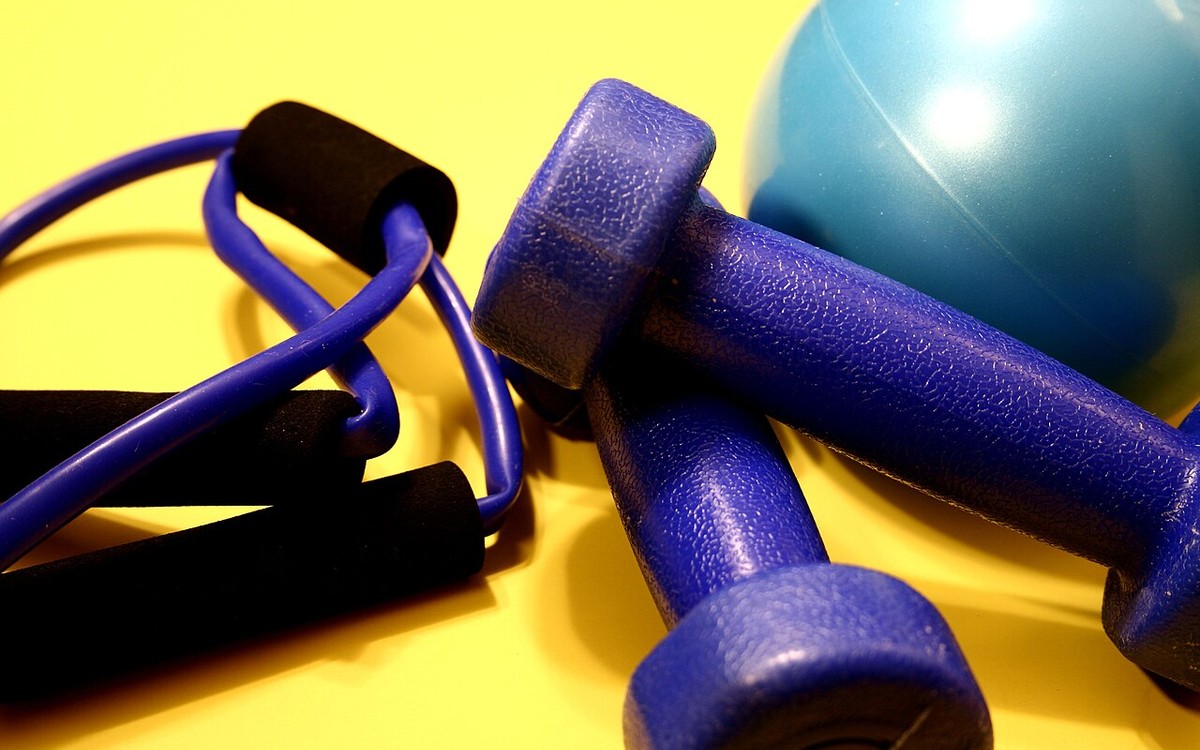
For healthy adults, the Physical Activity Guidelines for Americans from the U.S. Department of Health and Human Services recommend 150 to 300 minutes of moderate exercise a week, spread across every day. The guidelines also call for strength training twice a week and balance exercises for older adults at risk of falling.
Beyond targeted exercises for strength, flexibility, joint health, and balance, build more ordinary movement into your day - climbing stairs, for example - that is not formal exercise at all.
Exercising with a chronic condition
The guidelines are clear: "When older adults cannot do 150 minutes of moderate-intensity aerobic activity a week because of chronic conditions, they should be as physically active as their abilities and conditions allow." Even modest effort counts. "Move more and sit less throughout the day," they advise. "Some activity is better than none."
The key is finding activities you can do and enjoy. If your joints are the problem, do not try to pace your joints - let your joints pace you. Skip the jogging and pick low-impact options like swimming or water aerobics. Try a stationary bike at the gym or at home. Yoga, tai chi, and qigong are good alternatives too. Even a gentle walking program that builds slowly helps.
In short, you have plenty of flexibility in what you do and when. Do not feel guilty about no longer doing the activities you used to. What matters is not letting joint pain push you out of physical activity altogether.
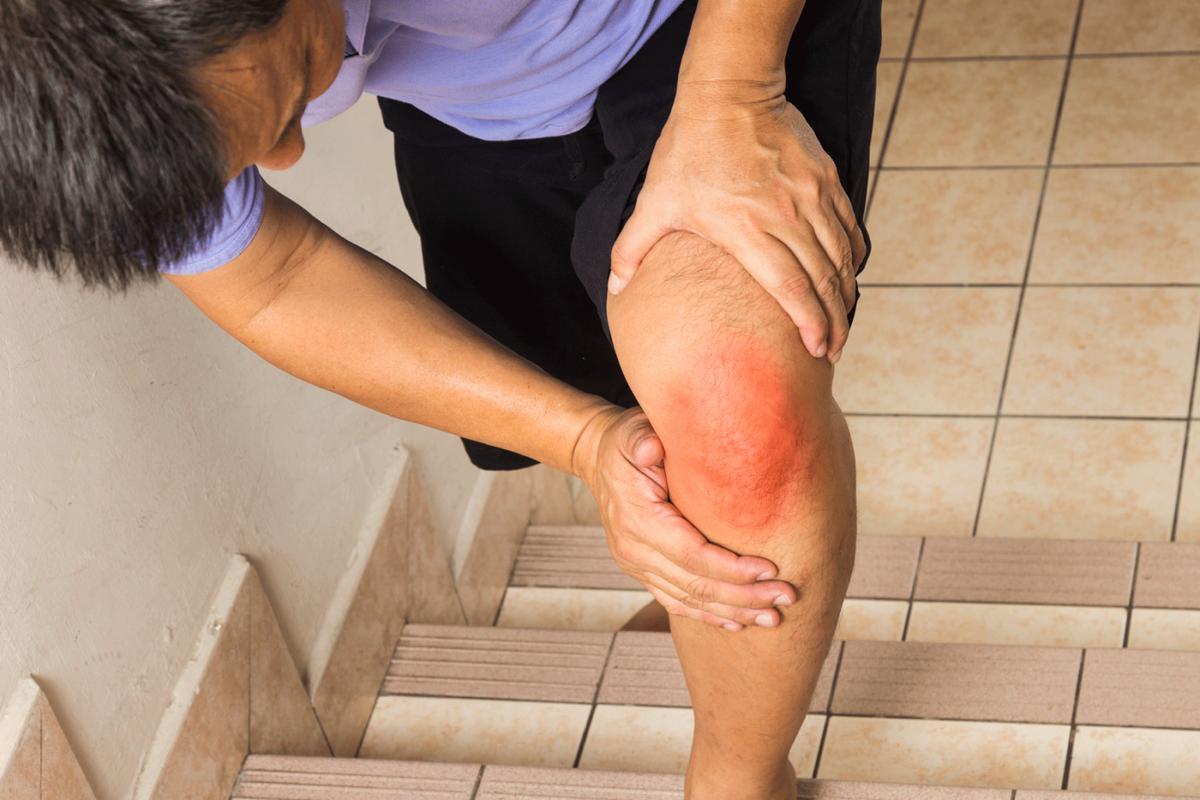
If you are in pain, all this may sound impossible. But exercise often reduces pain. With osteoarthritis, for example, regular exercise maintains joint function while easing stiffness, pain, and fatigue. Strong muscles also cushion the stress on joints.
Talk to your doctor about whether exercise is safe for you if any of the following apply:
You have had hip or knee surgery.
You have been having pain in your hip, knee, foot and ankle, or back.
You have a chronic or unstable condition such as heart disease, a respiratory ailment, high blood pressure, osteoporosis, diabetes, or several risk factors for heart disease.