Fall prevention: Strategies to help keep you from falling down
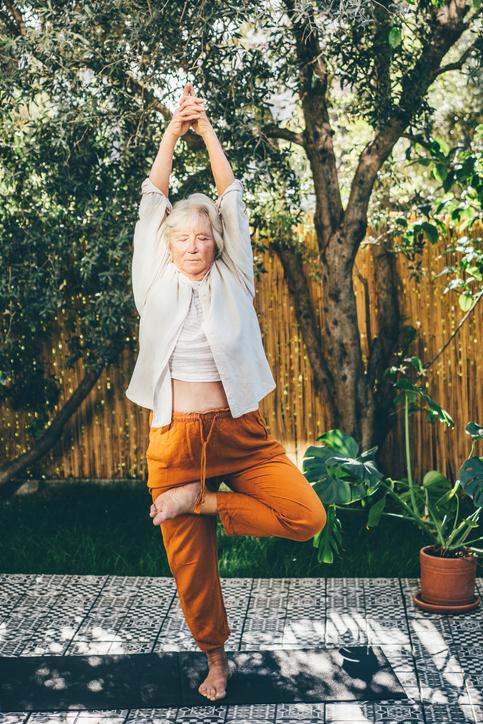
Falling is a normal part of early childhood, but as we age even a minor fall can be debilitating. In an older adult, a fall can lead to injury, disability, and even death. The good news: most falls can be prevented. Precautions like changes at home, an exercise routine, and regular checkups with your doctor can keep you safe.
Why do we fall?
Fall risk rises with age: an estimated 36 million falls occur every year among adults over 65. Older adults who are frail or have other medical conditions face higher risk, and the number-one risk factor is a history of a prior fall.
One of the best ways to prevent falls is to understand why they happen. Anything that decreases strength and mobility, affects balance, or changes your ability to walk and stand upright raises your risk. That includes muscle weakness, gait abnormalities, foot, knee, or back pain, weight changes, lack of sleep, and injury.
Certain health problems can also cause balance problems and raise the risk of fracture or other injury from a fall: inner ear problems, vision problems, dementia, vitamin D deficiency, arthritis, osteoporosis, and diseases of the nervous system such as Parkinson's disease.
Side effects from many medications can contribute too: blood pressure medications, which can cause low blood pressure on standing quickly (postural hypotension); sleep medications, anti-anxiety drugs, or antidepressants, which can leave you groggy and less aware of your surroundings; and diphenhydramine, an antihistamine found in many popular over-the-counter sleep products whose regular use is linked to memory problems and higher fall risk.
Regular follow-up with your doctor to identify and address these issues helps prevent falls.
Fall risk assessment
See your doctor every year to review your medical conditions and medication list. That visit is a chance to spot fall risk factors, and you should also check in after a recent fall, if you feel unsteady, or if you worry about falling. Your doctor may ask about your fall history and assess risk with a questionnaire. Other common assessments include strength, gait, and balance tests; blood pressure measured while sitting, lying, and standing; a visual acuity test; vitamin D levels; a review of potential home hazards; and an evaluation of your feet and footwear.
Based on the findings, your doctor may adjust treatment of your conditions and develop a personalized plan to reduce your risk.
Balance test
Balance means both standing upright and anticipating changes in movement, and it takes coordination from many parts of the body. Your doctor may have you perform a balance test measuring your ability to hold several positions without moving or needing support for 10 seconds. A 2022 study in a sports medicine journal found that being unable to balance for 10 seconds on one foot was associated with a significantly higher risk of dying from any cause.
You can check your own balance at home with a simplified test that needs only a stopwatch. Being unable to complete it suggests increased fall risk.
How to do a 10-second balance test
Stand with both feet side by side and your arms at your sides. Keeping one foot planted firmly, lift the other foot at least 12 inches off the ground. Without lowering the raised foot, using support, or raising your arms, hold this one-legged position for 10 seconds.
Mobility aids
Roughly one-third to one-half of adults over 65 have limited mobility - the ease of moving freely and purposefully in one's environment. Assistive devices support mobility while adding a layer of safety. Ask your doctor which type suits your needs. Options include canes, an easy, lightweight choice that supports about 25% of body weight; walkers, which offer more stability and support up to 50% of body weight; and wheelchairs, the best option during impaired mobility or injury when little or no weight can be borne.
Fall prevention exercises
Physical activity is key to preventing falls in older adults. Beyond the benefits for heart health, mental health, and weight management, exercise improves strength, balance, and endurance - together the most important factors in fall prevention.
Consistency matters most when starting a daily routine. Even small changes count. Begin with small goals and aim for a variety of exercise types.
Target area #1: Strength
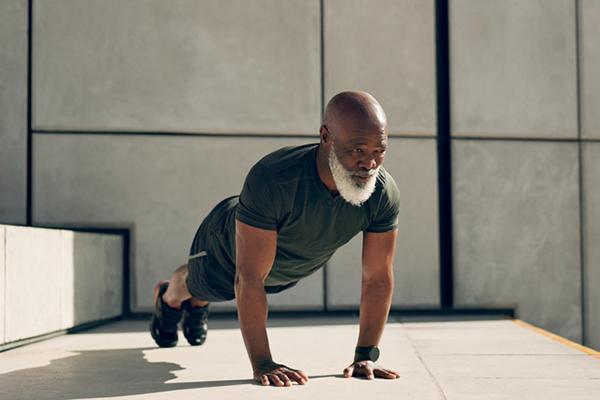
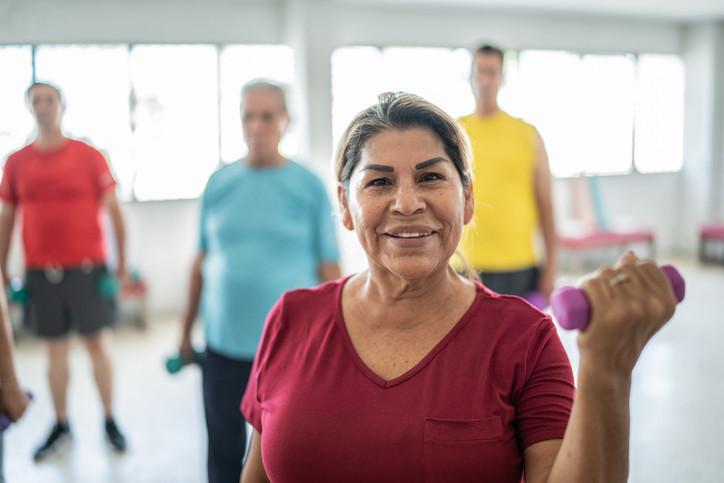
Aging costs us significant muscle mass, and strength in the core and legs is what reduces fall risk. Your core is made up of your abdominal, buttock, pelvic, and back muscles, which work together to keep the body upright and stabilized over its center of gravity. The stronger your core and legs, the better you balance and move. Build strength through functional exercises that mimic daily activities, like rising from a chair; weight training with hand weights or machines targeting specific muscle groups; and resistance training that uses body weight to challenge muscles, like push-ups.
Target area #2: Balance
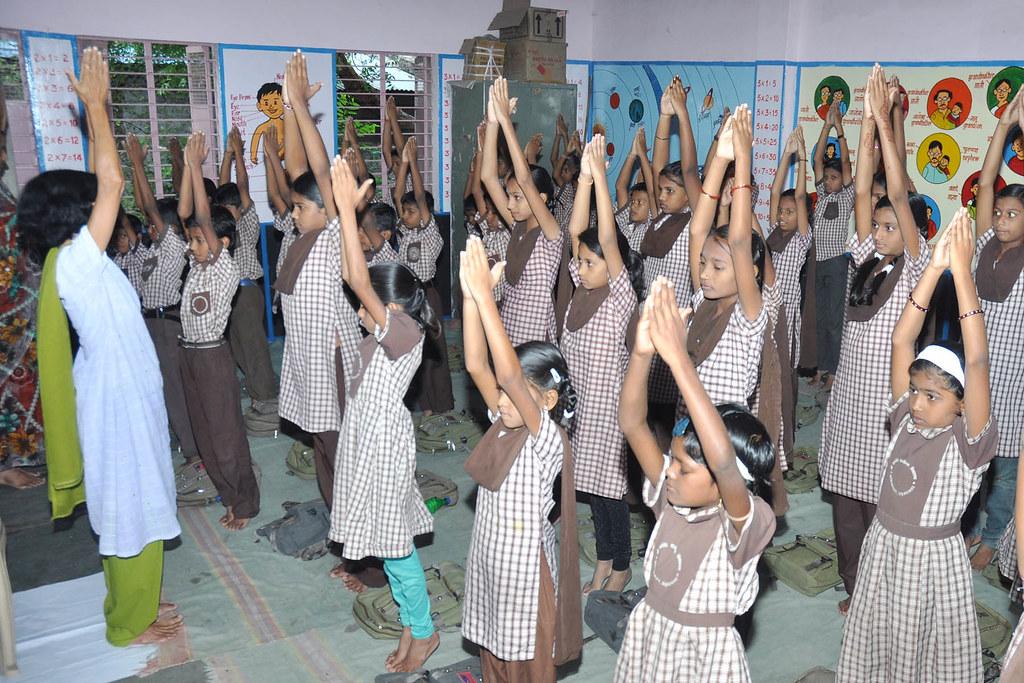
When you are unsteady on your feet, fall risk climbs. Besides core strength, foot and ankle mobility matter for balance. Exercise programs shown to improve balance include yoga, particularly hatha yoga, a more physical form using breath-controlled exercises; tai chi, a mind-body practice described as "meditation in motion"; Pilates, which combines stretching, strengthening, and core work; and balance-training exercises that build your ability to stay steady while standing still (static) or moving (dynamic).
Target area #3: Endurance
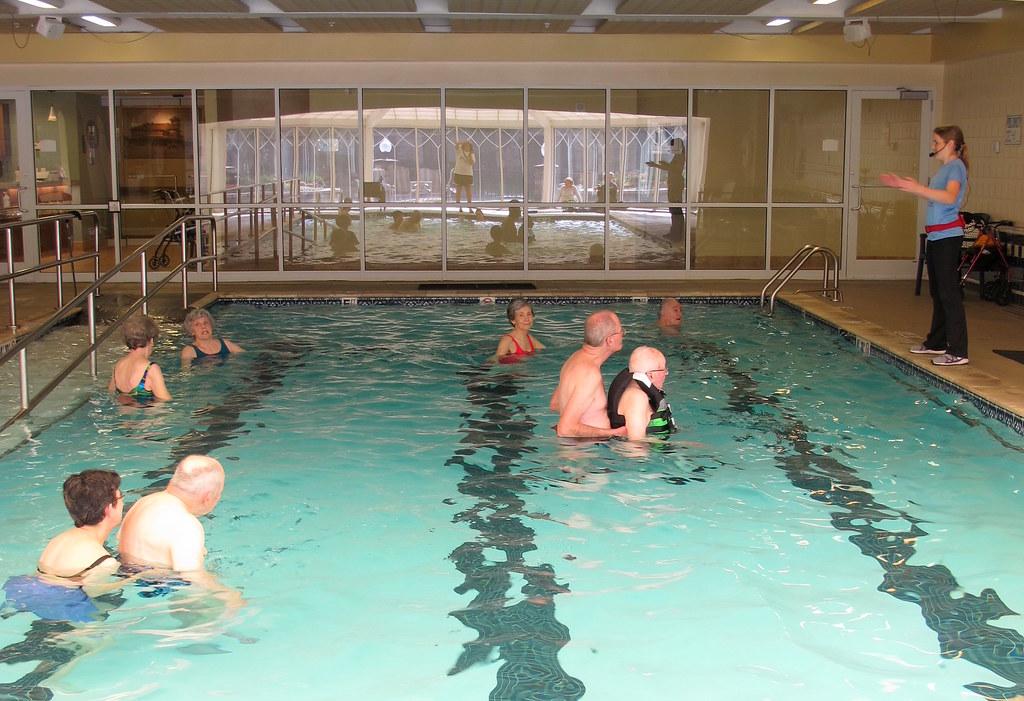
The less active we become, the more endurance we lose - the ability to do activities without quickly getting winded. Low endurance is a fall risk factor because it impairs mobility. The best way to build or keep endurance is aerobic exercise that raises your heart rate: water aerobics, dance or dance-fitness classes, cycling, stair climbing, walking, and swimming.
Many of these are free or low-cost at local gyms or senior centers. Talk with your doctor before starting any regimen, and choose a class that feels comfortable for your mobility level.
Three at-home exercises to reduce your risk of falls
Exercise #1: Opposite arm and leg raise (target: core strength). Start on all fours, knees hip-width apart, shoulders over wrists, hips over knees, head and spine aligned. Extend your right leg behind you while reaching your left arm forward, trying to raise both parallel to the floor. Hold 10 to 30 seconds, return to start, then repeat with the left leg and right arm. Do this two to four times per side, rest 30 to 90 seconds, and repeat the whole set.
Exercise #2: Heel-toe standing, no support (target: balance). Stand straight near a table or chair, looking ahead, with one foot directly in front of the other. Extend your arms outward for support and hold for 10 seconds. Then place the front foot directly behind the other and hold 10 seconds. If that is too easy, walk 10 heel-to-toe steps, turn around, and walk back the same way.
Exercise #3: Sit to stand, no hands (target: leg strength and balance). Sit on a chair that is not too low, hands in your lap, across your chest, or out in front. Place your feet behind your knees, lean forward, and slowly stand up without using your hands. Sit back down slowly, with control. Repeat 10 times.
Fall prevention at home
Home hazards raise the odds of a fall, so check room by room. Keep regularly used items within easy reach, and arrange your home so you can move freely with all paths clear and well lit. Watch the floors for spills and anything unsafe underfoot. Useful alterations include nonskid rugs, nonskid mats in the shower, benches, seats, and grab bars in the shower and near the toilet, touch- or sound-activated lamps, plush or low-pile carpeting, and handrails along all stairwells and the front and back steps.
Fall safely
Despite best efforts, falls still happen, and knowing how to fall can limit injury. For a softer landing: lean forward with knees bent and feet down, which gives you better control of your fall's direction; land on the most cushioned areas, like your buttocks and thighs; turn your shoulder into the fall to protect your head; aim for grass, dirt, or carpet if possible; and stay relaxed.