Strait of Hormuz: Iran's special permission for Indian ships - experts warn of 4 risks
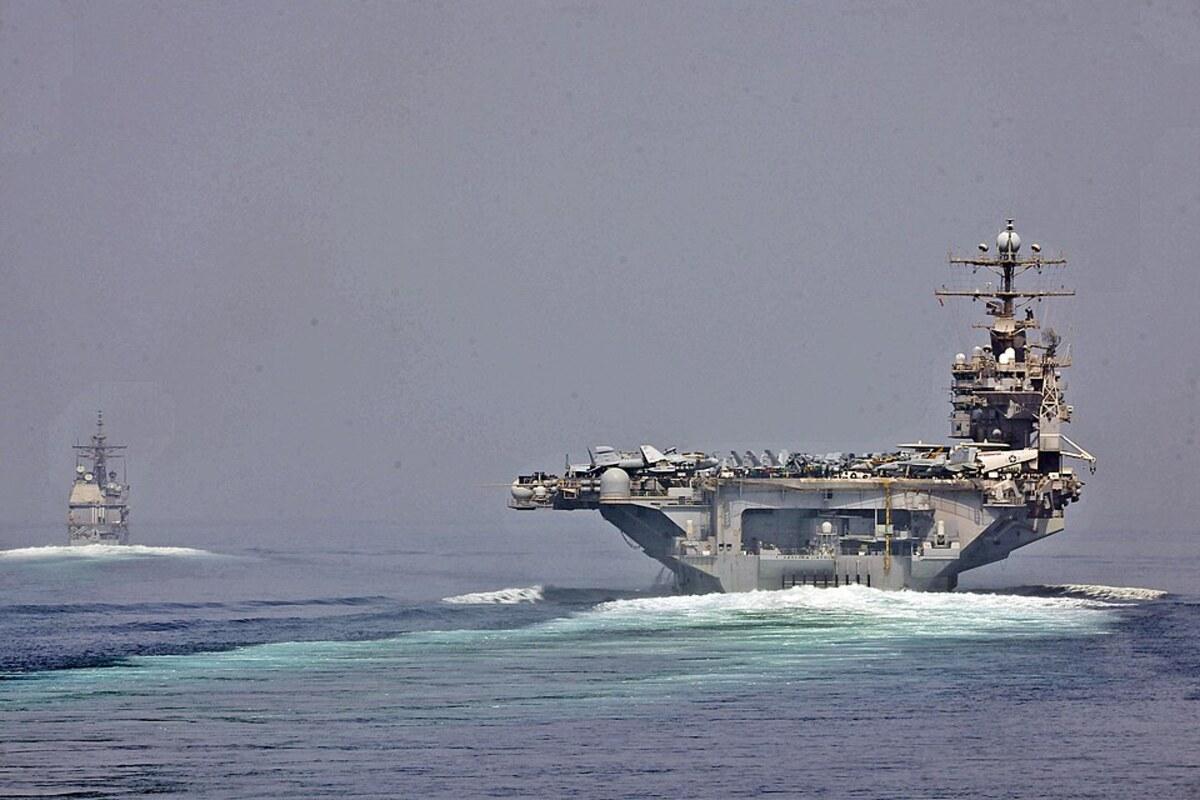
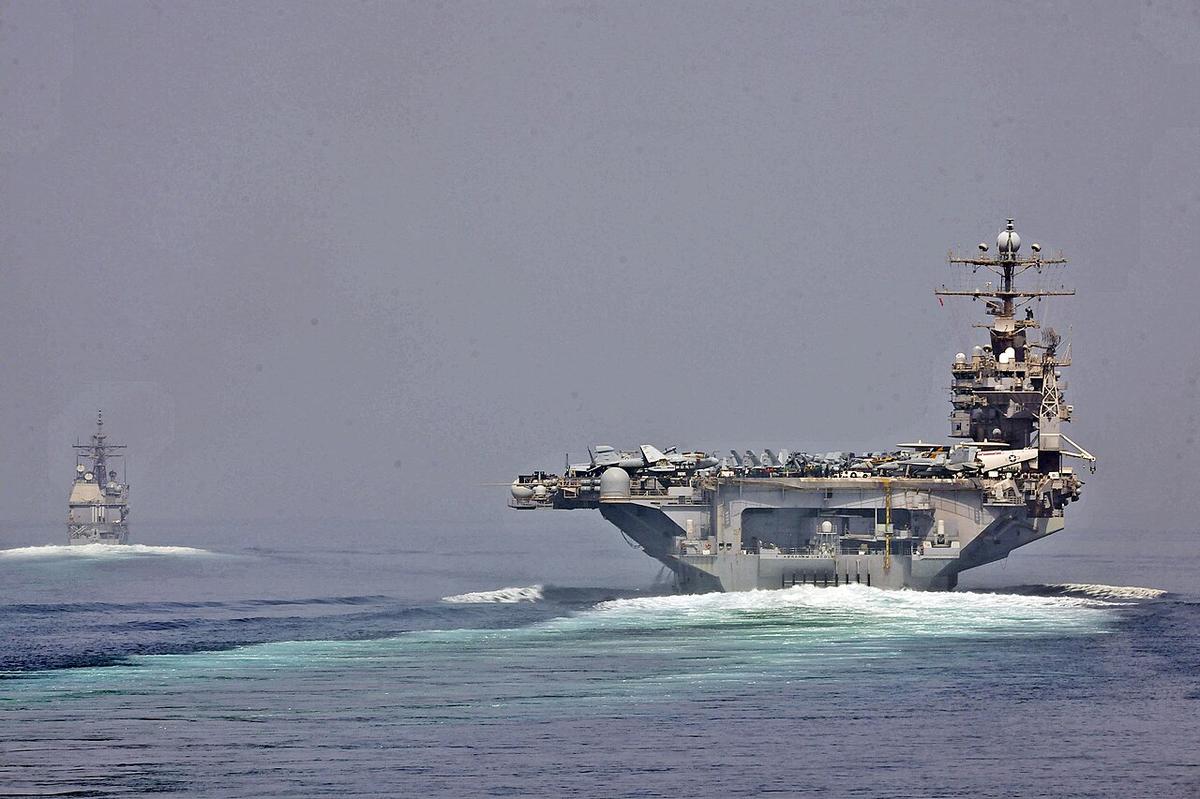
With the Iran-US war tension continuing, Iran has announced special permission for Indian ships to travel through the Strait of Hormuz. While this brings some relief to India, experts warn there are four important risks behind the permission.
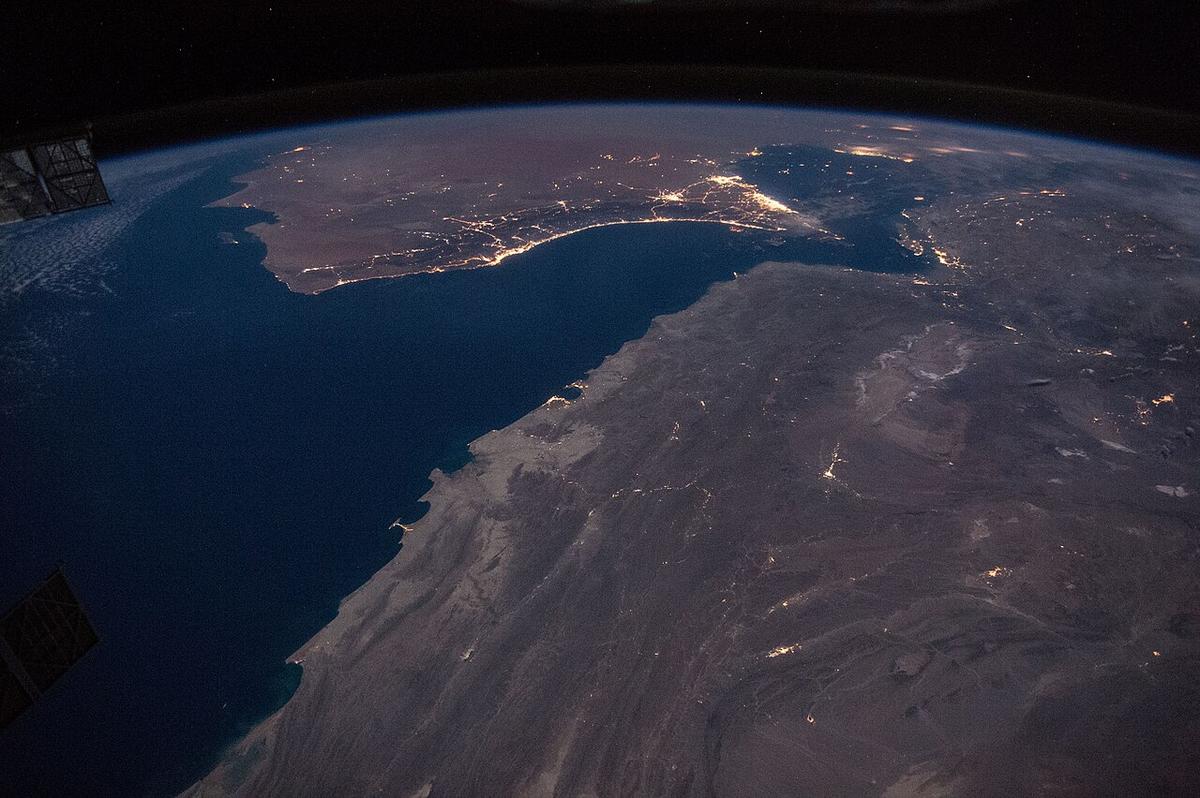
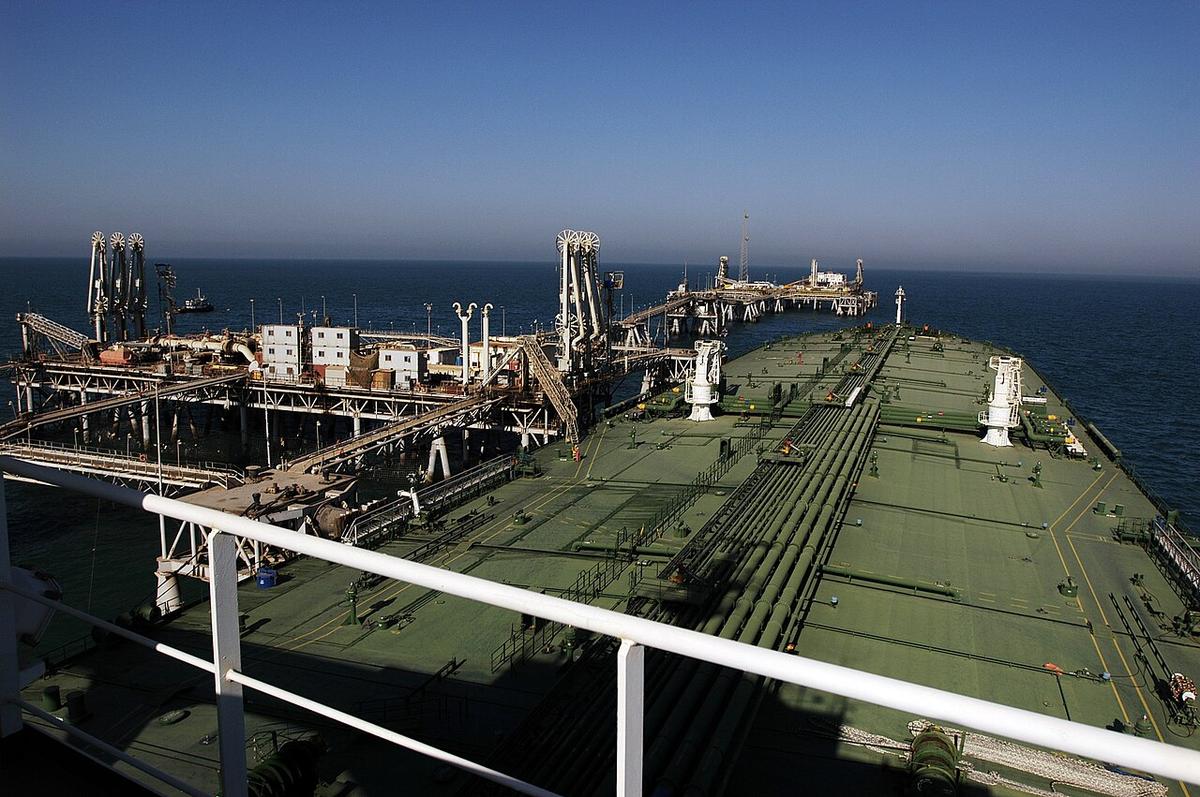
The Strait of Hormuz is one of the world's most important energy transport routes. But the Iran-US conflict running since February has severely affected oil tanker traffic through it, driving fuel prices sharply higher and causing cost-of-living pain for countries worldwide.
In this situation, the announcement by Amir Hayat Moqaddam, deputy chairman of the Iranian parliament's national security and foreign policy committee, that ships of four countries - India, China, Qatar and Iraq - will be exempted from the restrictions has drawn international attention.
He said Indian ships are being permitted so that Iran can receive medicines from India, and Chinese ships are exempted to gain that country's political support.
While the announcement appears to ease India's fuel supply, experts warn it could create several problems. First, with the war not over, Indian ships in the Hormuz area could be attacked by mistake.
Second, the US could impose economic sanctions on companies engaged in financial transactions linked to Iran.
Third, insurance premiums for ships passing through the strait in this war situation could rise. If the war-risk premium rises, shipping costs increase too, and the benefit of Iran's permission could be eaten away by the extra costs, experts point out.
Fourth, there is a warning that if Iran changes this permission according to its political and economic interests, the shipping of countries including India could become hostage to Iran's political decisions in future.
So while Iran's permission for Indian ships in the Strait of Hormuz looks like an immediate relief for India, it is seen as carrying several challenges.