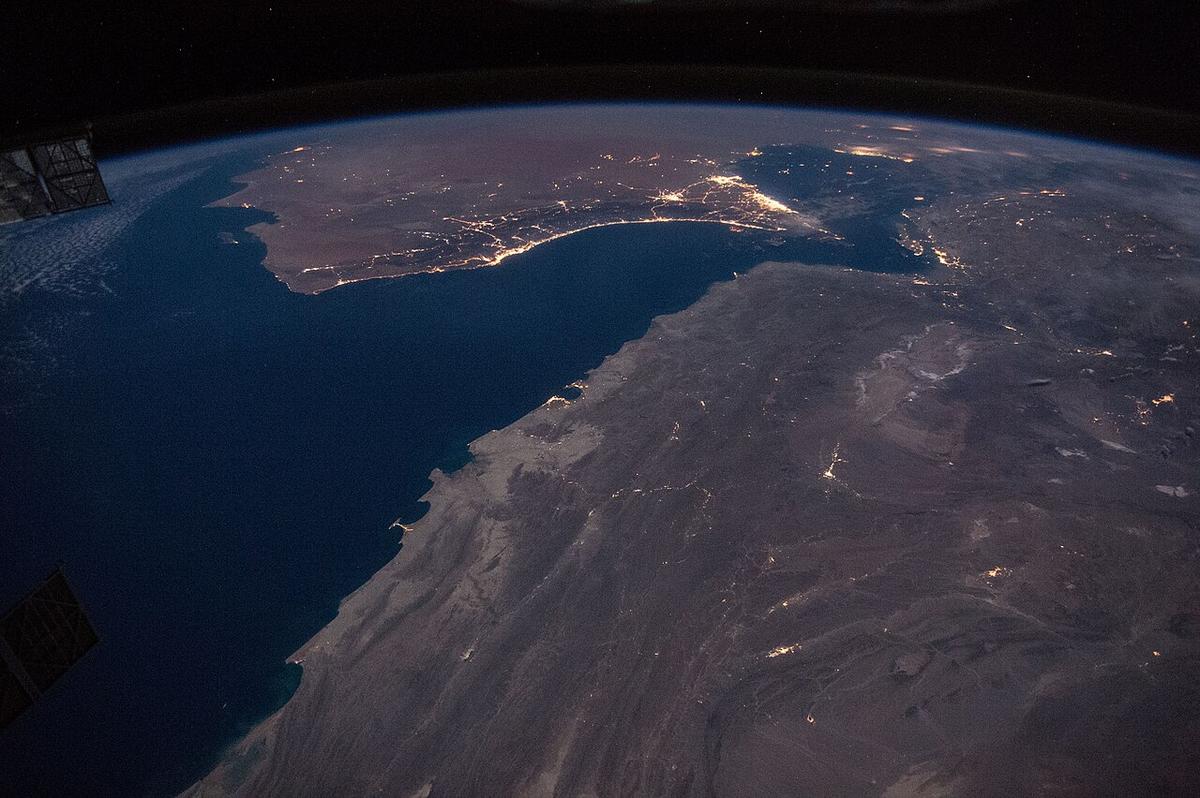
Further tanker fires underline continuing Hormuz shipping risks
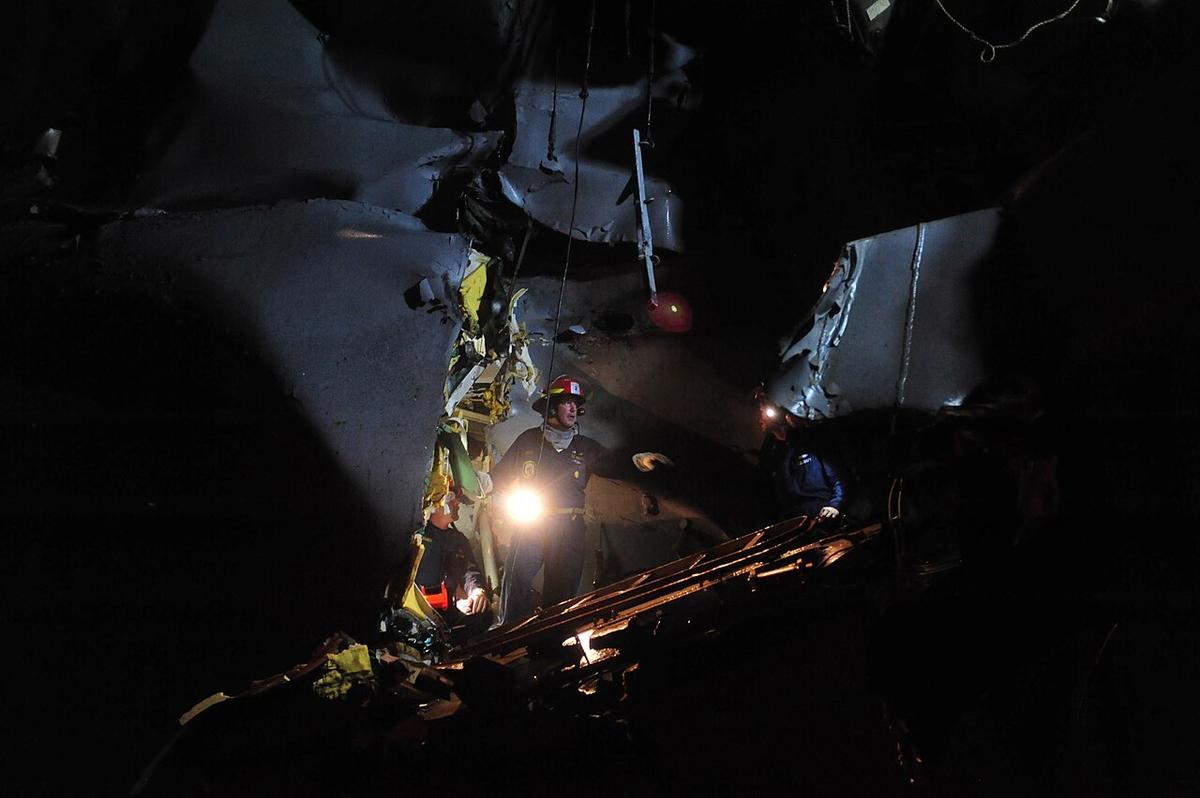
November 13, 9:15pm Sydney update
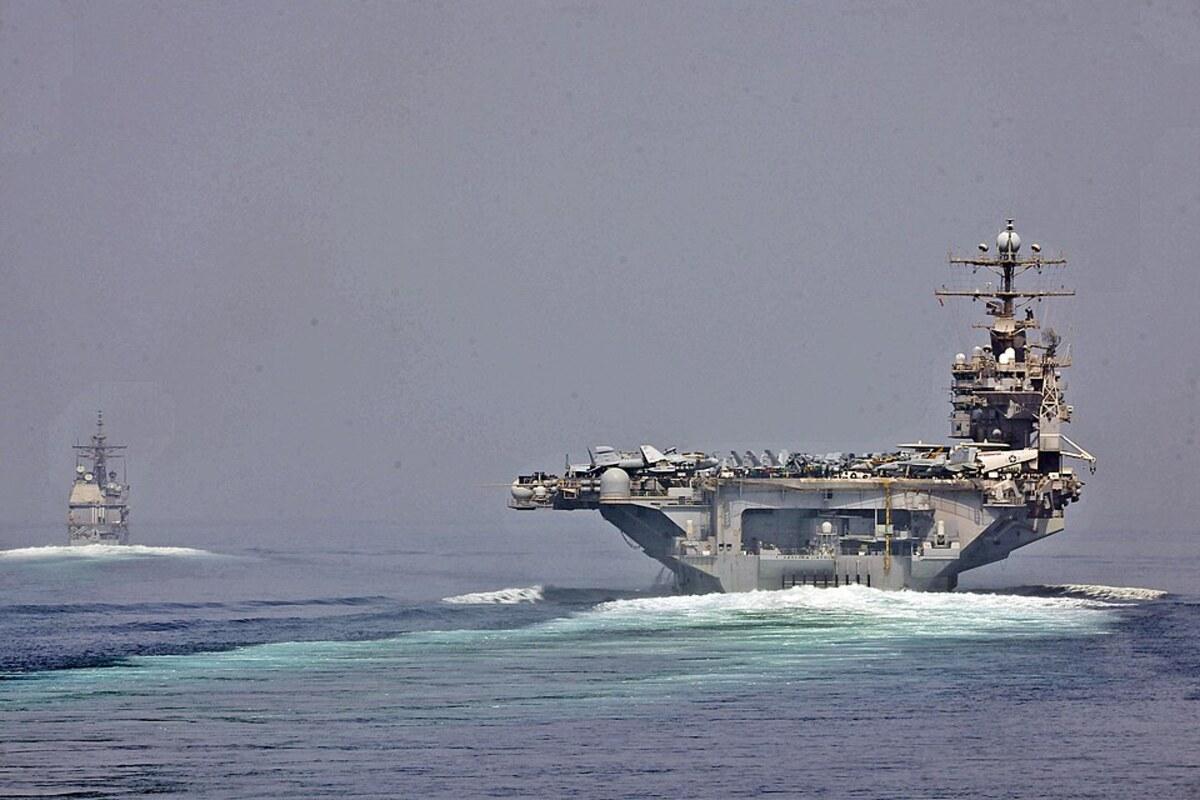
Iran's Islamic Revolutionary Guard Corps said on Friday it targeted and destroyed a US early-warning radar in Bahrain. The Guards said it was retaliation for an air strike on a telecommunications tower in Sirik, in southern Iran's Hormozgan province, on Thursday.
The claim could not be independently verified. Washington and Manama did not immediately comment. It is the first time since early September that Iran has said it attacked US military assets in a Gulf country.
Earlier reporting retained for context
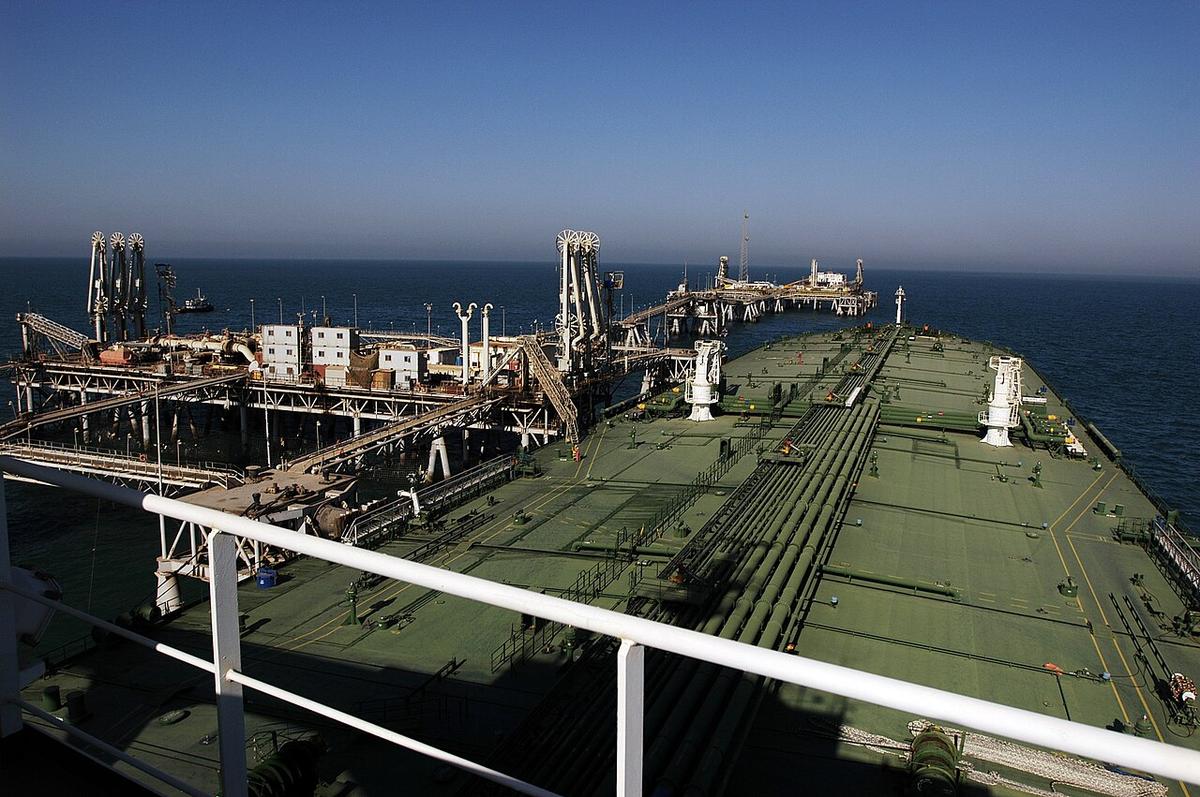
Continuing attacks and tanker fires in and around the Strait of Hormuz have complicated expectations of a rapid de-escalation in the Iran war.
The report describes video and satellite evidence of a tanker fire near Oman and separately cites Iranian claims that ships struck mines after using unauthorised routes. The Iranian account of the cause is not independent proof of what happened in every incident.
A reported 37 commercial ships were attacked in October, the highest monthly total since the conflict began. Even if diplomacy advances, shipping faces security, clearance and insurance obstacles.
Earlier report (2026-11-09)
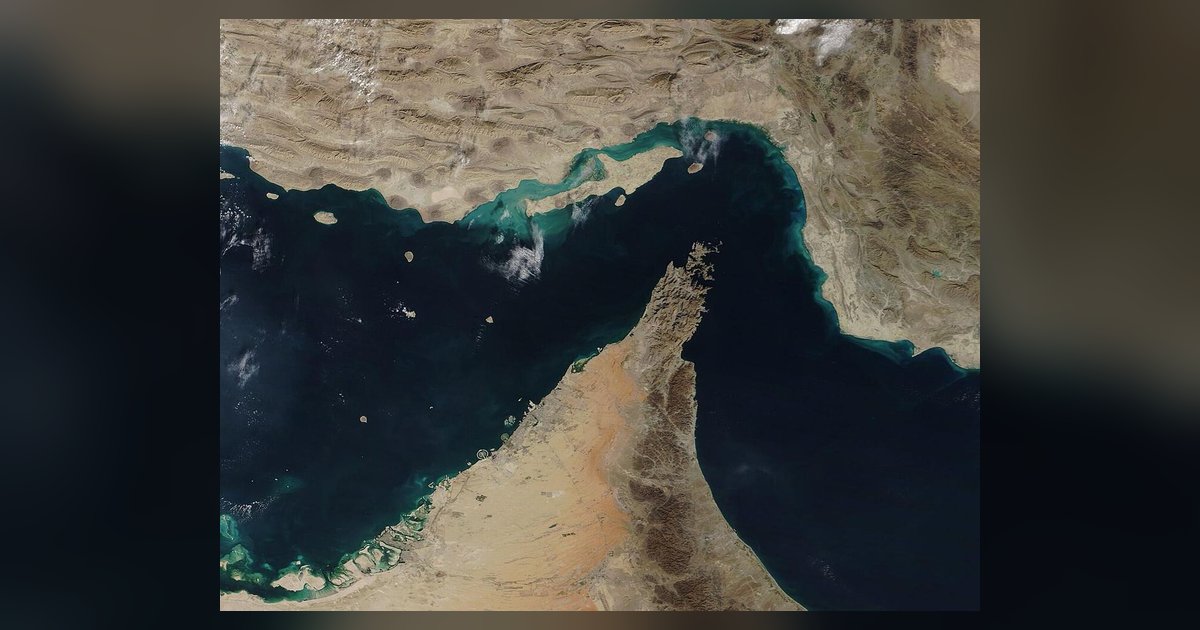
Amid the war tensions gripping the Middle East, Iran has imposed strict naval controls in the Strait of Hormuz, the world's most important oil shipping lane, and stopped ships operating with American support, throwing international shipping into serious trouble.
According to Iran's Islamic Revolutionary Guard Corps, several crude oil tankers that violated the controls, switched off their navigation systems and tried to travel by secret routes have struck naval mines and been damaged. Among them are super tankers carrying about 2 million barrels of oil. Most of the sailors caught in the accidents have been rescued safely.
Iran said it had destroyed navigation devices placed by enemy countries on rocks in the southern Hormuz area, and that no ship can enter the strait without permission. It also claimed to have completely blocked oil and gas shipments that Gulf countries were moving through alternative routes under US Navy protection.
With Iran warning that ships violating the rules will face severe consequences, international shipping in the region is under major threat. Countries around the world are watching closely for the impact on the global oil market.