How to get more probiotics

Your gut does more than digest food - it is a powerhouse for overall health, from strengthening immunity to supporting mental well-being. Probiotics, the "good" bacteria that live in our systems, play a key role in keeping this balance, and they matter for both body and mind.
There are two ways to add more good bacteria to your gut: fermented foods and dietary supplements. Probiotic supplements are usually sold over the counter, but they are best reserved for specific conditions on your doctor's advice, not for everyday use. And unlike medications, supplements do not come under the same FDA oversight.
Fermented foods, by contrast, are an excellent natural source of probiotics. Fermenting is one of the oldest food-preservation techniques. Fermented foods go through lactofermentation, in which natural bacteria feed on the food's sugar and starch and produce lactic acid.
This process creates an environment that preserves the food and encourages beneficial enzymes, B vitamins, omega-3 fatty acids, and various species of good bacteria. Another way to think of fermentation: it transforms one food into another - cabbage becomes sauerkraut, cucumbers become pickles, soybeans become miso, and milk becomes yogurt, cheese, or sour cream.
Not every fermented food contains probiotics. Some processes remove them, as with beer and wine, or deactivate them, as with baking and canning. Still, most fermented foods are probiotic foods too.
If fermented foods have a downside, it is their strong taste and smell, which some people find unpleasant. The distinctive flavors and textures come partly from the different bacterial species involved.
The upside is the wide variety available, so there is a good chance you will find something you enjoy.
Good probiotic food choices
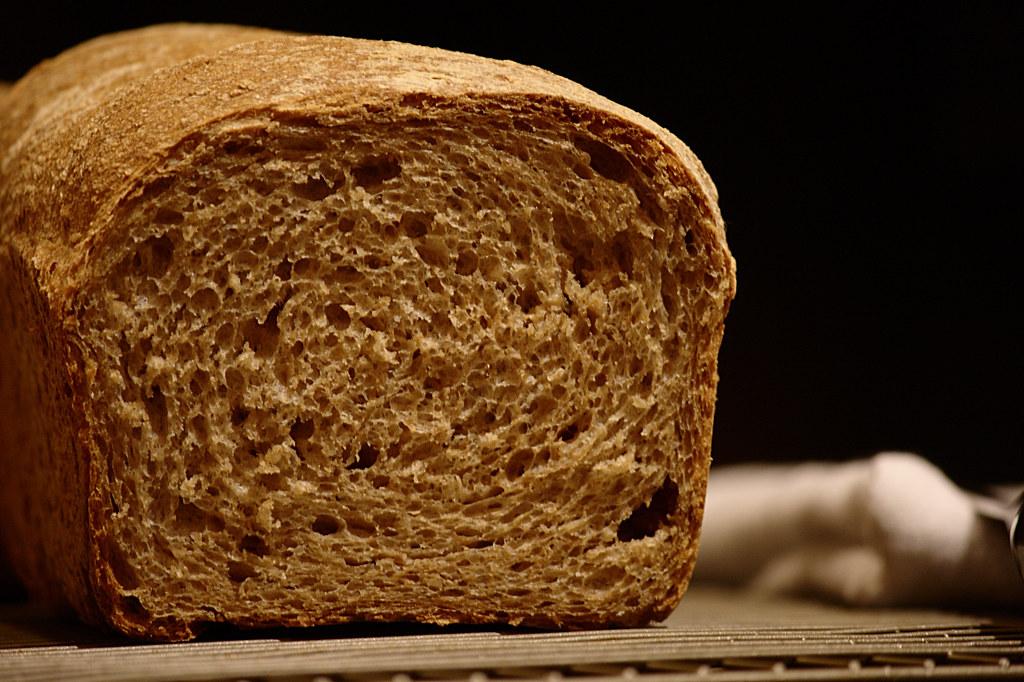
The most common fermented foods that naturally contain probiotics, or have them added, include yogurt, kefir, kombucha, sauerkraut, pickles, miso, tempeh, kimchi, sourdough bread, and some cheeses.
Yogurt is the go-to probiotic food because its flavor and texture appeal to most palates. The number and type of bacterial species vary by brand; probiotic content can range from 90 billion to 500 billion CFU per serving (CFU, or colony-forming units, measures how many bacteria can divide and form colonies). Look for the words "live and active cultures" on the label.
Adding yogurt to your diet is easy. Beyond breakfast or a midday snack, you can swap yogurt in wherever you would use mayonnaise - in egg salad or potato salad - and in almost any baking recipe. Yogurt also works as a base for sauces, salad dressings, and marinades.
How much probiotic food do you need? There is no simple answer, because no recommended daily intake exists for probiotics, so nobody can say exactly which fermented foods or quantities are best. The general guideline is simply to work as many fermented foods into your daily diet as you can.