How to know if your bones are thinning
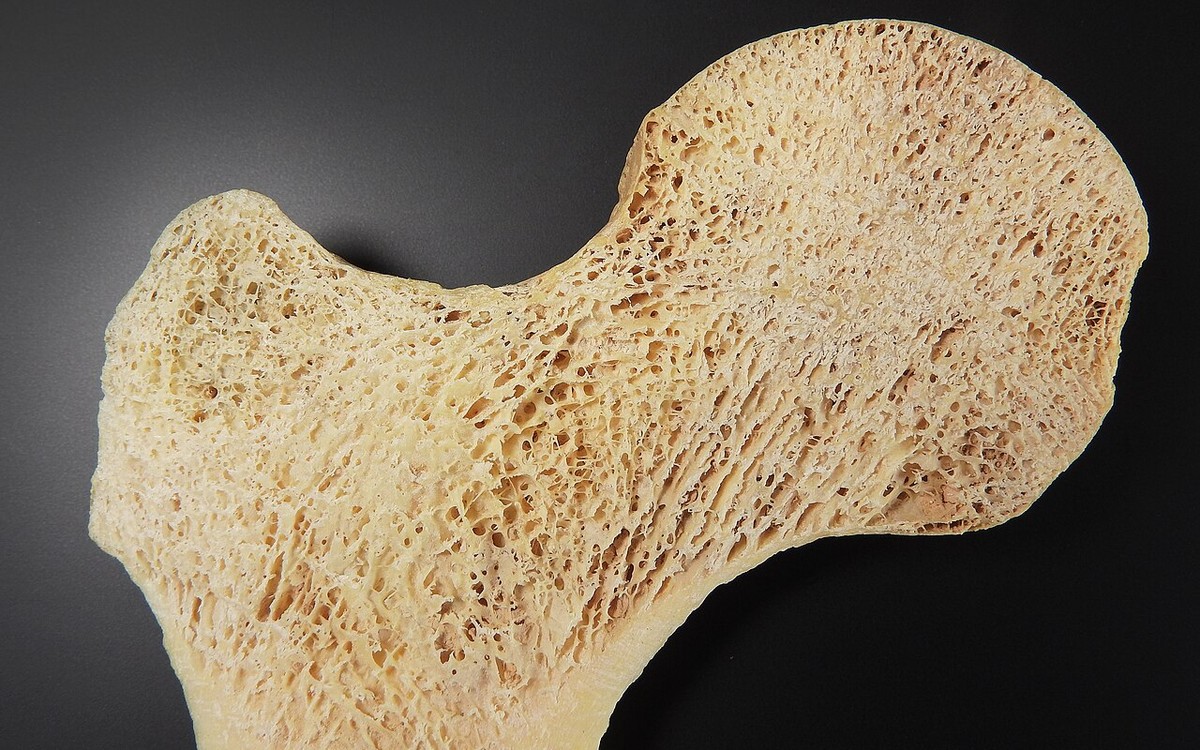
We tend to think of broken bones as a childhood hazard of playground adventures, but as we age our bones face a different challenge. Over time they can lose density and strength, leaving them more vulnerable to fractures - a condition called osteoporosis.
This silent disease develops gradually, often with no symptoms, until a sudden fall or fracture reveals it. The good news: advances in diagnostic tools make it easier than ever to catch osteoporosis early and act to protect your bones.
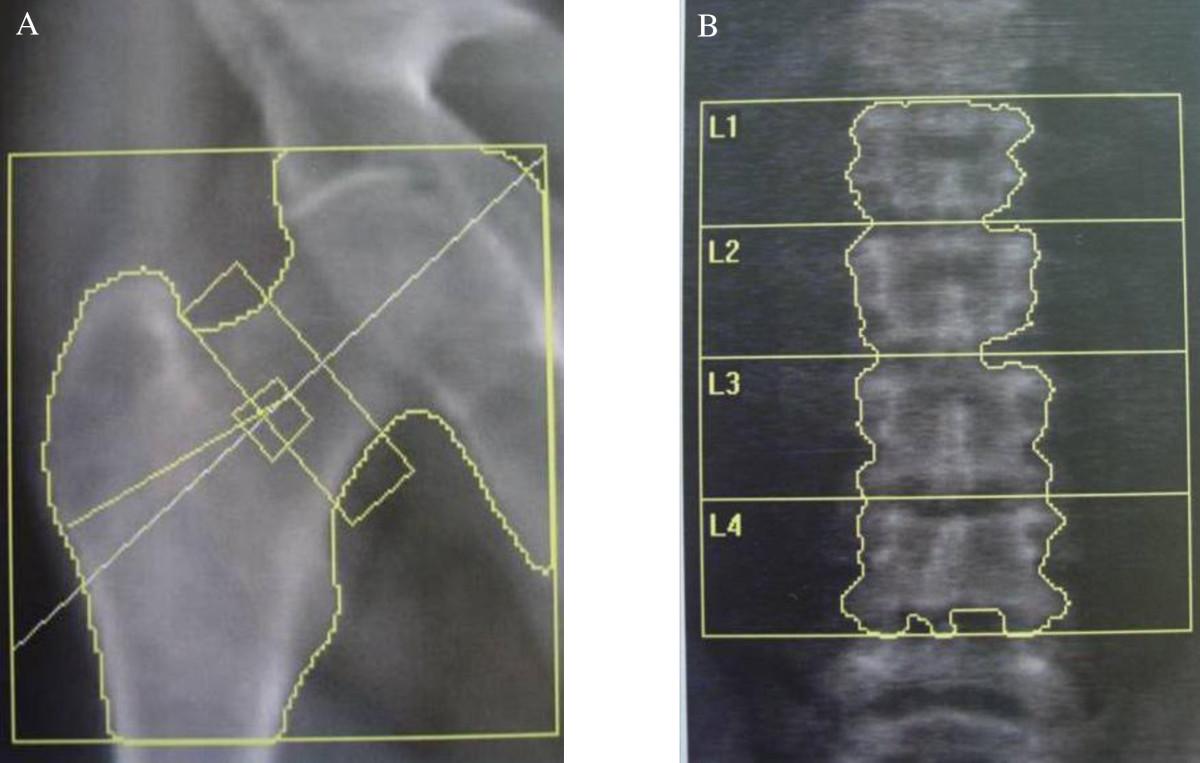
Several technologies can assess bone density. The most common is dual energy x-ray absorptiometry (DEXA). A machine sends x-rays through bone to calculate its density. The process takes only about five minutes, and it is simple - you lie on a table while a scanner passes over your body.
DEXA can measure bone density anywhere in the body, but it is usually used at the lumbar spine (lower back), the hip (a specific site near the hip joint), and the femoral neck (the top of the thighbone). It does this with only one-tenth the radiation of a standard chest x-ray.
DEXA is considered the gold standard for osteoporosis screening, but ultrasound is another option: sound waves measure bone mineral density at the heel, shin, or finger. Ultrasound testing sometimes appears at health fairs and in some medical offices.
Either test produces a number called a T-score, which shows how close your bones are to average peak density. The World Health Organization classifies the results this way:
A T-score of -1 or greater means your bone density is normal.
A T-score between -1 and -2.5 means you have low bone density, known as osteopenia, but not osteoporosis.
A T-score of -2.5 or lower means you have osteoporosis, even if you have not yet broken a bone.