Exercising for bone strength: getting started

Because you cannot see your bones, they tend to stay "out of sight, out of mind" until you break one or your doctor mentions low bone density. But being proactive about bone health pays off later, helping you avoid fractures from osteoporosis.
Exercise is a pillar of bone care. When you work out, your muscles tug on your bones, and your body responds over time by strengthening them. High-impact exercise like running or jumping adds repeated pounding that builds up the bones bearing the brunt.
Before starting a bone-strengthening program, though, weigh a few factors.
Injuries or health conditions
Talk to your doctor before starting to exercise if you have not been active recently or if you have any injuries or a chronic or unstable condition, such as heart disease (or multiple risk factors for it, like high blood pressure or high cholesterol); a respiratory ailment such as asthma; joint or bone disease such as arthritis or osteoporosis; a stroke or neurologic illness; diabetes; musculoskeletal problems such as back, knee, or shoulder trouble; balance problems or medication that makes you dizzy or lightheaded; or recent surgery.
These conditions need not rule out working out, but your doctor may add precautions, modify certain moves, or suggest substitutions, and in some cases may refer you to a physiatrist, physical therapist, or certified personal trainer.
Low bone density risk factors
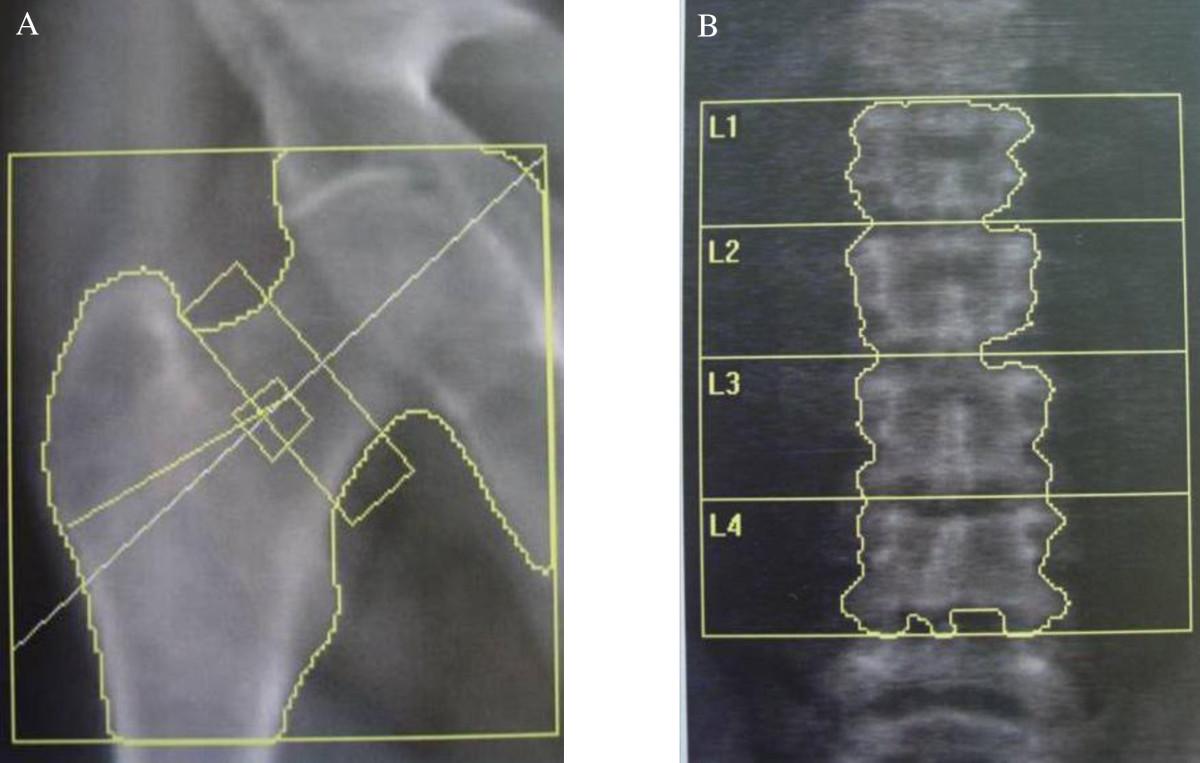
If you have risk factors for low bone density, ask your doctor about a bone density test before starting vigorous, high-impact exercise. Factors that raise your risk include being over 65; having broken a bone after age 50; a family history of osteoporosis or broken bones after 50; smoking; being underweight for your height; not consistently getting enough calcium (about 1,000 to 1,200 mg a day); drinking more than two alcoholic beverages a day several times a week; and being inactive.
For women, two more factors raise risk: entering menopause before age 45, and going 12 months or more without a period at some point (other than pregnancy or menopause).
Medical conditions that can impair bone health
Certain medical conditions impair bone health, some severely. Several congenital disorders, such as Marfan syndrome, Ehlers-Danlos syndrome, and osteogenesis imperfecta, affect bone over a lifetime and raise osteoporosis risk. Other bone-damaging conditions include celiac disease, Cushing's syndrome, hyperparathyroidism, hyperthyroidism, inflammatory bowel disease, liver or kidney disease, multiple sclerosis, rheumatoid arthritis, and vitamin D deficiency.
Medications
Certain medications also cause bone loss. The most important are corticosteroids such as prednisone; the aromatase inhibitors taken to prevent breast cancer recurrence, including anastrozole, exemestane, and letrozole; and androgen-suppressing drugs used for prostate cancer, including apalutamide, enzalutamide, and abiraterone.