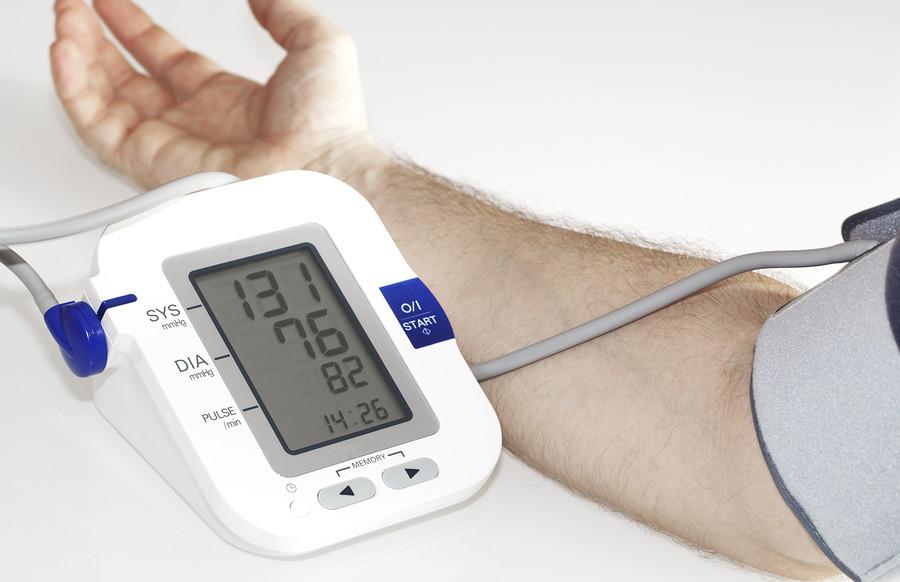
Measuring blood pressure
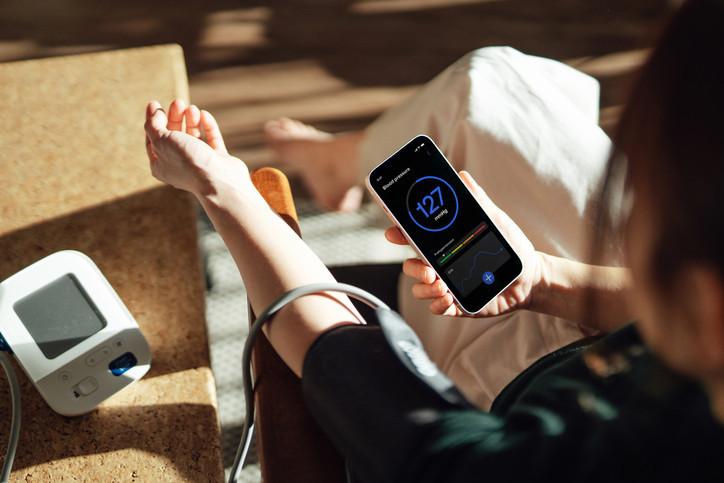
Because high blood pressure rarely gives warning signs, you might not know you have it until trouble strikes. That is why periodic checks matter.
Whether at the doctor's office or at home, certain steps make readings accurate.
Avoid caffeinated drinks and smoking for 30 minutes before the test. Sit quietly for five minutes beforehand.
During the measurement, sit in a chair with your feet flat on the floor and your arm supported so the elbow rests at about heart level.
The cuff's inflatable part should completely cover at least 80% of your upper arm, and the cuff goes on bare skin, not over a shirt.
Do not talk during the measurement.
Take two readings with a brief break between them. If they differ by 5 points or more, take a third.
Have your blood pressure measured in both arms at least once, since one arm may read higher (usually the right, which has more direct blood flow from the heart). Use the higher number for treatment decisions.