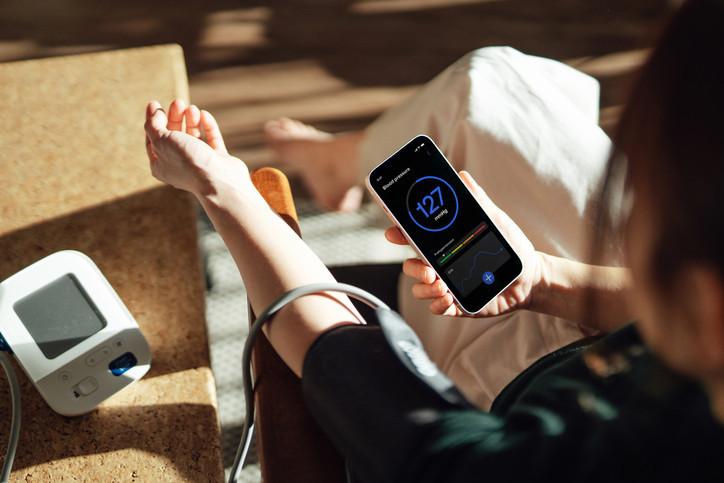
Monitoring blood pressure at home
November 13 safety and measurement update
Do not read the older advice about a single high reading as permission to ignore an emergency. If the upper number is above 180 mmHg or the lower number is above 120 mmHg and you have chest pain, shortness of breath, new weakness or numbness, vision changes or difficulty speaking, seek emergency help immediately. In Australia call 000; elsewhere use published reporting emergency number. Do not wait for the pressure to fall. Chest pain, breathing difficulty or sudden stroke-like symptoms also need emergency help even if a home reading is lower or unavailable.
If a reading is above either of those limits without emergency symptoms, rest and repeat after at least one minute. If it remains that high, contact a healthcare professional immediately. Your clinician should set your routine target and checking schedule. Home monitoring does not replace appointments, and readings are not a reason to stop or change prescribed medicine on your own.
For routine checks, use a validated automatic upper-arm monitor with the correct cuff size. Avoid smoking, caffeine and exercise for 30 minutes beforehand, empty your bladder, and rest quietly for at least five minutes. Support the arm at heart level, apply the cuff to bare skin and do not talk. Take two readings one minute apart and record both. Ask a clinician or pharmacist to check the fit and technique. The older 80% wording refers to the inflatable bladder wrapping around the upper-arm circumference, not covering 80% of the arm length. Follow the device's stated arm-size range.
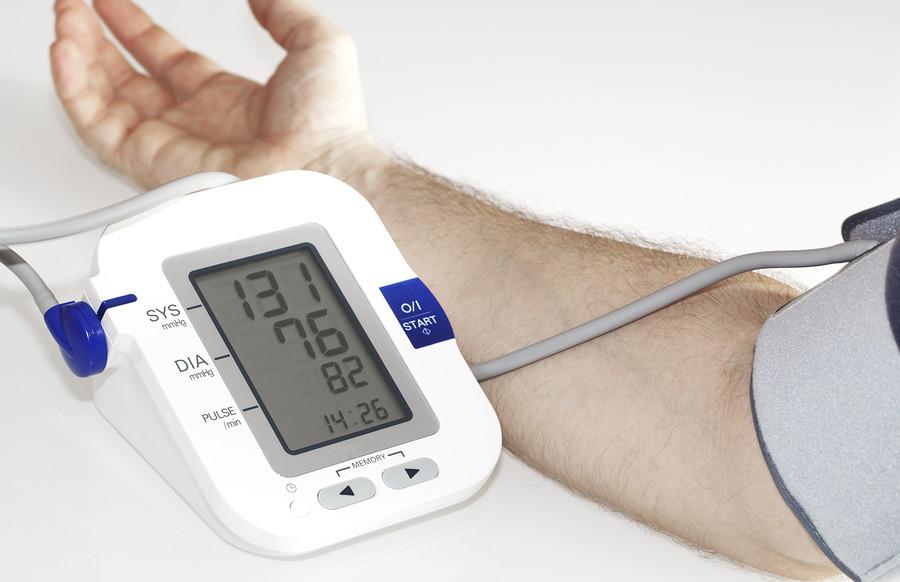
The $50-$100 range in the older supplied newsletter is historical source wording, not a verified current Australian-dollar price or buying recommendation. The original article dates and photos below are retained. This is general information, not a diagnosis or an individual treatment plan. Retained photos are illustrations, not monitor recommendations; a pictured wrist device does not override the upper-arm recommendation.
Stress, a workout, or even a few drinks the evening before an appointment can all push your blood pressure up. That makes it hard to know whether an unusually high reading at the doctor's office means you truly have high blood pressure - or, if hypertension is already diagnosed, that it is getting worse - or whether a work deadline has simply inflated the numbers for the day.
To get around this problem, many doctors urge people to check their blood pressure themselves. Home monitoring is especially valuable for those with white-coat hypertension or labile hypertension, and for tracking how blood pressure responds to exercise, medications, or treatment changes. It paints a more accurate picture of your usual numbers, helps fine-tune your control strategy, and may make you more invested in managing a condition that shows no symptoms until it triggers a heart attack, a stroke, or heart or kidney failure.
When you first begin checking at home, measure your blood pressure early each morning and again each evening for a week. If most readings land within the goal range your doctor recommends, you can scale back to two or three checks a week. A single high reading is no cause for alarm - blood pressure fluctuates constantly throughout the day.
Many home meters store a week's worth of readings or more. If yours does not, keep a written log to share with your doctor. Some apps handle this for you, and a few pull readings straight from the monitor so nothing needs writing down.
Doctors do caution that home monitoring can tip into too much of a good thing. Just as stepping on the scale several times a day backfires when you are trying to lose weight, checking your pressure obsessively breeds anxiety over tiny fluctuations without improving long-term control.
Choosing and using a home blood pressure monitor
Dozens of home monitors are on the market, priced from about $50 to $100. For the best accuracy and ease of use, pick an upper-arm cuff model that inflates automatically and records readings on its own. Versions that store a week or two of results simplify record keeping.
Make sure the cuff size fits: the inflatable portion should wrap at least 80% of your bare upper arm, since a too-small cuff produces falsely high readings. Try the monitor in the store to confirm it is easy to operate. Note that the American Heart Association advises against wrist and finger monitors, which are less reliable.