Reducing your stroke risk after a transient ischemic attack (TIA)

November 13 safety update: stroke symptoms need emergency assessment
Sudden face drooping, arm weakness or speech difficulty can be a stroke or a transient ischaemic attack (TIA). Treat these signs as an emergency even if they last only a few minutes or disappear. In Australia, call triple zero (000) straight away; in the United States, call 911. Elsewhere, use your local emergency number. Do not wait for another episode or assume that recovery of speech or movement means the danger has passed.
A suspected TIA needs urgent professional assessment, which can include brain and blood-vessel imaging, a medical history and heart tests. Only that assessment can establish what happened and guide treatment; some apparently temporary episodes turn out to have been strokes on imaging. The clinical team decides whether hospital admission is needed. Advice to complete a comprehensive evaluation within 24 hours is not permission to wait before calling for emergency help. The earlier blanket wording that a TIA usually does not require hospitalization has been corrected below.
The prevention discussion below is educational, not a prescription to start aspirin, combine antiplatelet medicines or take an anticoagulant yourself. A clinician chooses treatment using the likely cause, test results and medical history. This update follows the American Stroke Association and Stroke Foundation Australia. It preserves the dated article's discussion of symptoms, risk factors, prescribed medicines and lifestyle measures without using it to decide a reader's treatment.
The symptoms of a transient ischemic attack (TIA) can pass quickly, but that does not mean you should put the episode behind you and forget it. A TIA is a warning, and treating it as a chance to cut your risk of a full-blown stroke can pay off.
What is a TIA?
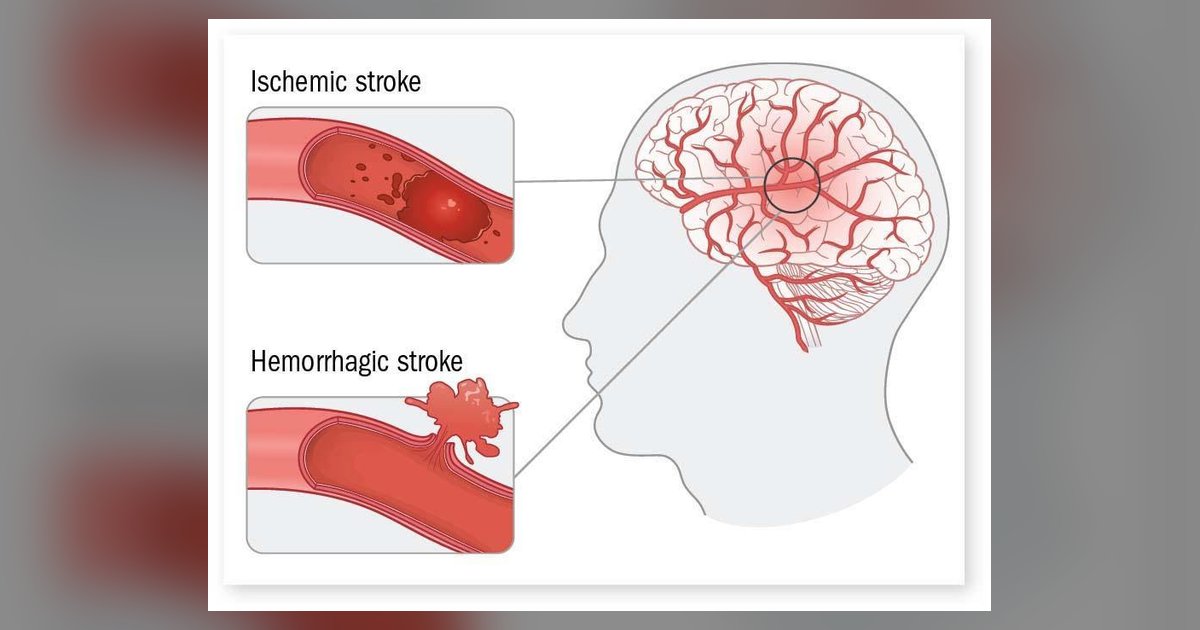
A transient ischemic attack is a temporary loss of blood flow, and therefore oxygen, in part of the brain. TIAs, sometimes called ministrokes, are very common, striking at least 240,000 Americans each year.
During a TIA, one or more arteries supplying the brain become blocked by plaque or a blood clot. The blockage usually clears within minutes, sparing the brain from permanent damage.
TIA symptoms are identical to stroke symptoms but last only minutes or hours. The American Stroke Association promotes the acronym FAST to help people recognize a TIA or stroke:
F - Face drooping: one side of the face may droop or look numb, and a smile may appear uneven.
A - Arm weakness: one arm may be weak or numb; when both arms are raised, one may drift downward.
S - Speech difficulty: speech may be slurred.
T - Time to call 911: if you notice any of these signs, call 911 immediately.
A TIA must never be ignored. It signals that you are at high risk of a full-blown stroke.
TIA or full-blown stroke?
A TIA is essentially a stroke whose blockage is temporary, with symptoms typically easing within an hour. Because there is no way in the moment to tell a TIA from a full stroke, always treat the symptoms as an emergency and call 911 right away.
Stroke risk after a TIA
Take a TIA very seriously. Even with temporary symptoms, your risk of a full-blown stroke is much higher. About one in three people who have a TIA eventually have a stroke. The danger peaks in the first 48 hours: up to 10% of people with a TIA have an actual stroke within a couple of days. Your risk climbs further with any of these factors:
Type 2 diabetes
Age 60 or older
High blood pressure
Weakness on one side of the body during the TIA
Speech problems during the TIA
Symptoms lasting an hour or longer
Existing heart disease (severely clogged or narrowed arteries).
Medications to reduce stroke risk after a TIA
A suspected TIA needs emergency assessment. The clinical team decides whether hospital admission and specific medicines are needed after evaluation.
Antiplatelet medications. Your doctor may want you on a drug that keeps platelets, the cell fragments that help blood clot, from clumping together and clogging arteries, which raises stroke risk. Antiplatelet drugs include aspirin, clopidogrel, and ticagrelor.
Sometimes two antiplatelet drugs are combined for a short stretch, an approach called dual platelet therapy; after a few weeks you continue on just one. A 2023 study published in a leading medical journal found this approach cut stroke risk within 90 days of a mild stroke or high-risk TIA more than aspirin alone.
Anticoagulants. If you also have atrial fibrillation, a type of irregular heart rhythm, your doctor may recommend an anticoagulant. These prescription drugs, sometimes called blood thinners, help stop clots from forming. Today doctors most often choose a direct oral anticoagulant (DOAC) such as apixaban, dabigatran, edoxaban, or rivaroxaban.
Your doctor may also prescribe medication for other conditions that raise stroke risk, such as high blood pressure or high cholesterol.
Lifestyle changes to help prevent a stroke after a TIA
About 80% of strokes are preventable, according to the CDC. These lifestyle changes can lower your risk of a full-blown stroke after a TIA.
A healthy, plant-based diet rich in leafy greens, whole grains, and beans appears to lower overall stroke risk by about 10%, according to a study published in a leading neurology journal. The CDC also recommends limiting sodium (salt) to bring down blood pressure, and avoiding or limiting saturated fat, which raises cholesterol and is found in full-fat dairy, fried foods, and red meat.
Exercise
The CDC recommends all adults get at least 150 minutes a week of moderate-intensity aerobic activity such as walking. If that sounds daunting, remember that small bursts like walking the dog count toward the total. Try to spend more time on your feet too: one study found that people who sat more than 13 hours a day had a 44% higher risk of stroke.
Monitoring and managing blood pressure
High blood pressure is the number one controllable risk factor for stroke, according to the American Heart Association. Over time it damages arteries, paving the way for blockages and clots. After a TIA, keeping your blood pressure under control is essential. Steps include:
Eating a low-salt diet such as the DASH diet (aim for no more than 1,500 milligrams of sodium a day)
Maintaining a healthy weight
Exercising regularly
Limiting alcohol
Not smoking, and quitting if you do.
If your blood pressure is already elevated (above 130/80 mm Hg), your doctor may prescribe blood-pressure-lowering medication.
Recognizing the warning signs of stroke: when to seek immediate help
With stroke, every second counts. If you or a loved one experiences any of these symptoms, call 911 immediately:
Sudden numbness or weakness on one side of the body
Confusion
Trouble speaking
Trouble seeing
Trouble walking
Sudden severe headache.