Understanding the different types of "brain attack"
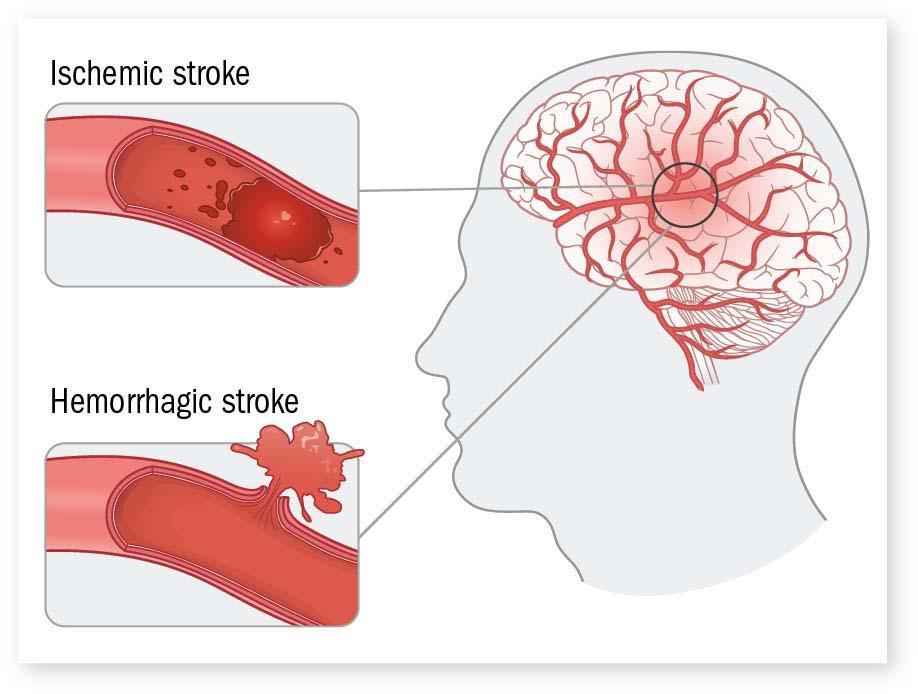
A network of large and small blood vessels delivers oxygen and nutrients throughout your brain. If something interrupts that supply, brain cells begin to die. The resulting injury - known as a stroke - can be so small it passes unnoticed, or so extensive that it brings devastating physical and mental challenges.
What is a hemorrhagic stroke?
Ischemic strokes result from a blockage inside a brain artery, while hemorrhagic strokes occur when a blood vessel ruptures.
About 13% of all strokes are hemorrhagic. They happen when a weakened blood vessel leaks or bursts and bleeds into the surrounding brain. Sometimes called bleeding strokes, they come in two main types based on location: intracerebral hemorrhages, which occur deep within the brain, and subarachnoid hemorrhages, which occur in the space between the brain and the skull.