Building the ideal stretching routine
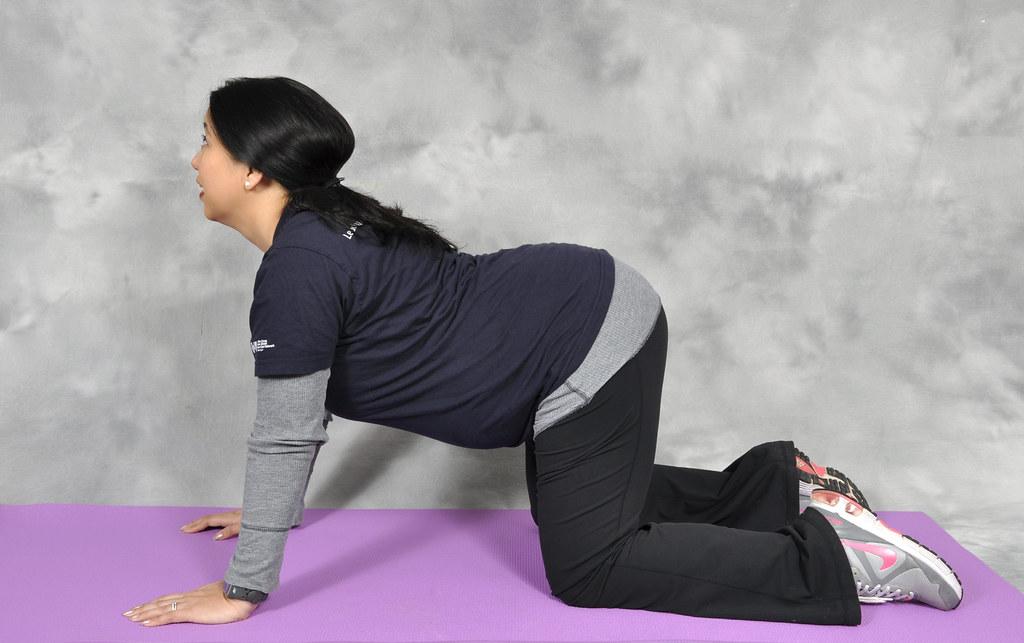
When we picture exercise we usually think of cardio and strength work, yet stretching is an essential - and frequently skipped - part of a complete fitness plan. It will not set your heart pounding or your muscles burning, but stretching regularly can visibly change how your body feels and moves from day to day.
Whether you train hard or simply want to get through daily life more comfortably, setting aside time to stretch can be genuinely transformative.
Stretching is an underrated but valuable piece of everyday physical activity. Beyond better flexibility, it can bring a range of health gains:
A wider range of motion in the joints
Better circulation
Less muscle stiffness and tension
Improved physical performance
Fewer injuries
Better posture
Relief from stress
Gains like these make stretching a core part of a healthy lifestyle. It also helps to know the basics: how often to stretch, how long to hold each position, and how many repetitions to do. Those details decide whether you capture the full benefits for flexibility, mobility, and injury prevention.
A panel of specialists assembled by the American College of Sports Medicine (ACSM) weighed a broad set of studies to answer exactly those questions. Their conclusions:
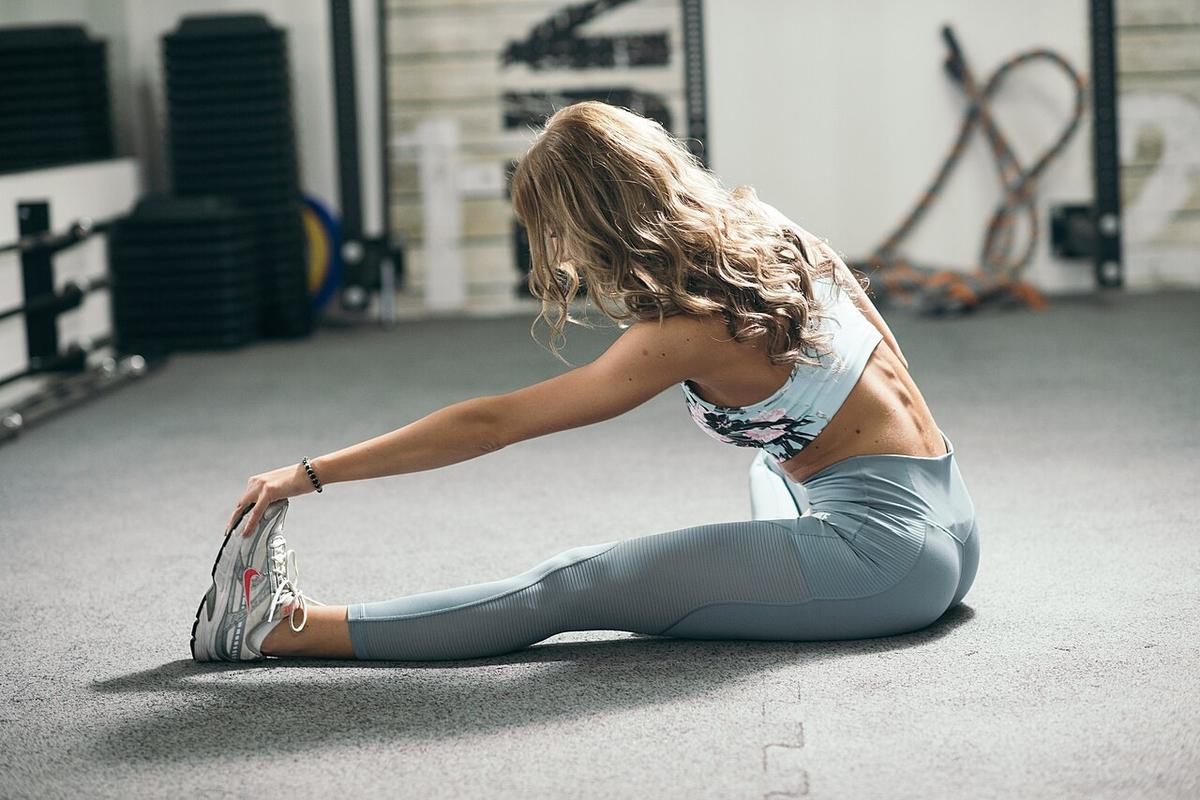
Healthy adults should perform flexibility work - stretches, yoga, or tai chi - covering every major muscle-tendon group (neck, shoulders, chest, trunk, lower back, hips, legs, and ankles) at least two to three times per week.
For the best effect, accumulate about 60 seconds on each stretch. If you can hold a position for 15 seconds, repeat it three more times; if you can hold for 20 seconds, two further repetitions will do.
Fitting regular stretching into your day or week takes little time, but the payoff can be large. Morning, post-workout, or as a wind-down in the evening - whenever you do it, you are supporting your body's flexibility, comfort, and resilience. Turn it into a habit and you will likely feel the difference in how you move and cope with everyday demands.