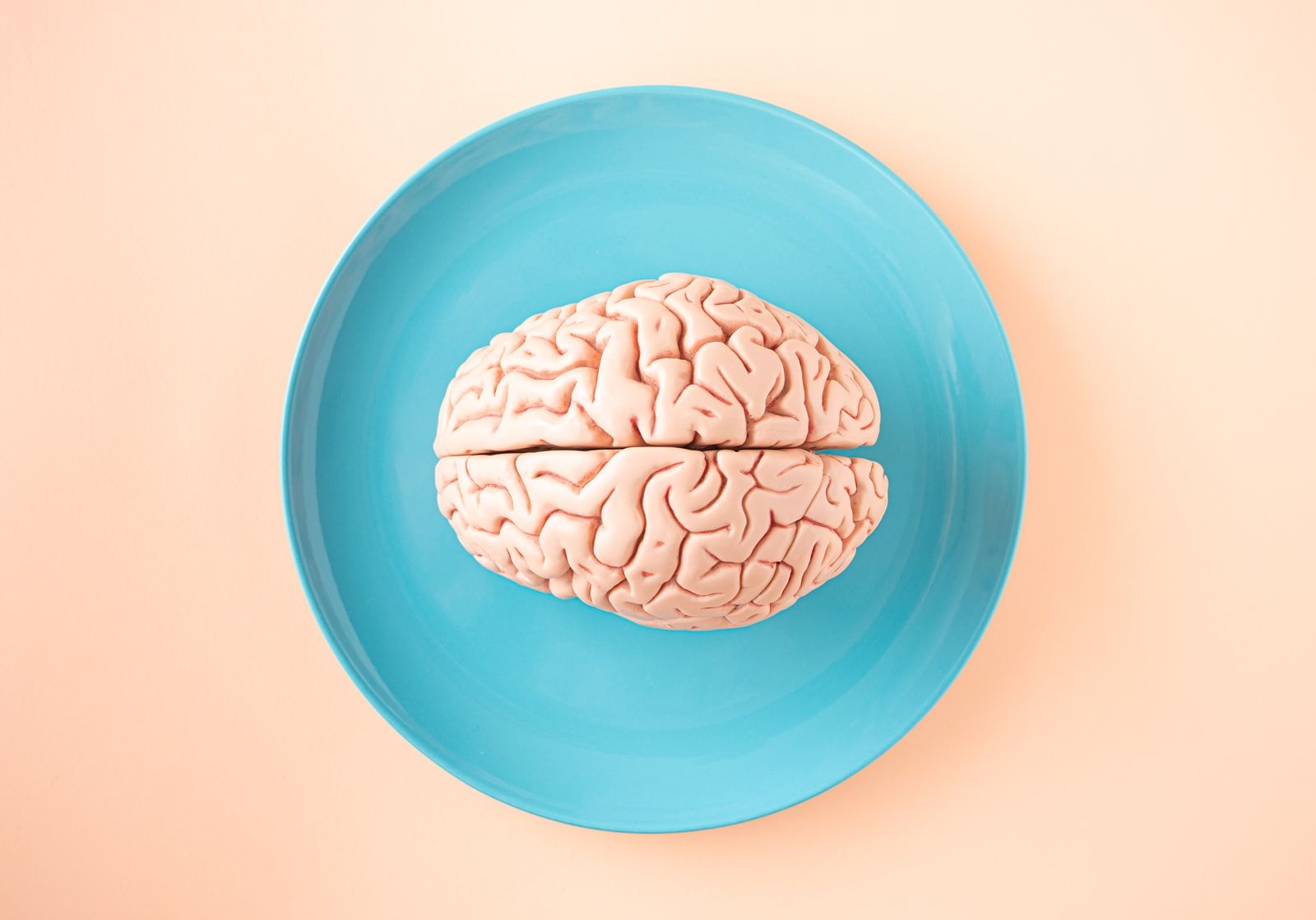
Tips to leverage neuroplasticity for cognitive fitness as you age

Growing older makes staying mentally sharp more important - and, thanks to neuroplasticity, more achievable. Neuroplasticity is the brain's capacity to adapt, learn, and rewire itself at every stage of life, and the right habits can preserve or even improve cognitive fitness.
What is neuroplasticity?
Neuroplasticity lets the brain reshape its structure and function in response to learning, experiences, and changes in the environment. Put simply, it is the brain's ability to learn, remember, and change when the circumstances call for it. Cognitive fitness - your capacity to think, learn, and remember - depends heavily on this adaptability.
A mix of physical, mental, and social activity supports neuroplasticity. Below are six strategies that can promote it and help strengthen cognitive function.
1. Move more, think better
Exercise boosts neuroplasticity by raising levels of brain-derived neurotrophic factor (BDNF), a protein essential for the growth of brain cells. Research suggests that low BDNF may contribute to cognitive decline, affecting memory, concentration, and the ability to learn.
Aerobic activity is especially effective. U.S. health authorities recommend at least 150 minutes of aerobic exercise a week. Strength training and the increased blood flow that comes with activity also support a better mood, memory, and focus.
2. Fuel your brain with the right foods
The Mediterranean and MIND diets - built around vegetables, berries, whole grains, fish, nuts, and healthy fats - are linked to better brain health and slower cognitive decline. Steering clear of processed foods and refined sugars can help preserve mental clarity and maintain healthy BDNF levels.
3. Keep your brain active
Mental challenges strengthen neural connections and build cognitive reserve. Lifelong learning is a powerful way to protect the brain. Try:
Learning a new skill, language, or instrument
Reading about unfamiliar topics
Playing challenging games or working puzzles
Attending cultural events
Traveling to new places
Taking up creative hobbies
4. Prioritize quality sleep
Sleep consolidates memories, clears toxins, and repairs neural pathways. Even adults over 70 need 7 to 9 hours a night. If rest does not come easily, improve your sleep by:
Keeping a consistent sleep schedule
Getting morning sunlight
Limiting caffeine and evening screen time
Creating a calm sleep environment
Exercising regularly, but not too close to bedtime
5. Stress less for a healthier brain
Chronic stress raises cortisol, which can damage neurons and hold back neuroplasticity. Mindfulness meditation, deep breathing, music, and time in nature can all lower stress and encourage the brain's adaptability.
6. Stay socially engaged
Social connection supports memory and mental clarity. Conversation stimulates key brain functions and helps build cognitive reserve. Stay connected by:
Traveling or exploring new places
Going to concerts, plays, or museums
Joining community or hobby groups
Spending time with people you love
Bottom line: staying active - physically, mentally, and socially - lets you harness neuroplasticity to remain sharp and independent as you age.
Further detail added: 14 November 2026. Original publication date retained.
Further detail on supporting brain health
Looking after existing health conditions is part of looking after the brain. Neuroplasticity means that the brain can adjust its structure, activity and connections in response to experience, not that aging or disease can always be reversed. The habits below may support thinking, learning and memory, but they are not a guarantee against dementia.
Exercise and food
Aerobic activity encourages the release of growth factors involved in brain health. Alongside strength training, it can improve circulation and help reduce stress and inflammation, supporting mood, memory, concentration and processing speed. US guidance recommends at least 150 minutes of aerobic exercise each week; higher activity levels may offer greater cognitive benefits. Such benefits may include a lower risk of dementia, rather than certain prevention.
Understanding the diet choices
Although the brain accounts for about 2% of body weight, it uses around 20% of the body's energy. Mediterranean-style eating includes fruit, leafy vegetables, whole grains, fish, beans and other legumes, nuts and fats such as extra-virgin olive oil. MIND combines aspects of Mediterranean eating with DASH, an eating pattern designed to help control blood pressure. MIND favours plant foods, especially leafy greens, nuts and berries, while also including poultry and fish and limiting animal products and saturated fat. Research links these patterns with slower cognitive decline; it does not establish that a diet prevents decline in every individual. Diets high in fat and refined sugar have been linked to lower BDNF and reduced neuroplasticity. Reducing excess sugar and processed foods may also help limit inflammation.
Build a reserve through varied learning
Cognitive reserve is the capacity to keep functioning despite changes related to aging or disease. It develops over time through education, work and mentally engaging experiences. An adult-learning course, a new hobby or a book that introduces unfamiliar ideas can add a useful challenge. Meeting people and learning about their lives, or visiting an unfamiliar place even close to home, also provides new experiences. Raise the difficulty of games, puzzles or reading as they become easier, and vary strategy games, creative activities and problem-solving rather than repeating one routine. Cooking, painting, language learning and musical instruments offer other options. Concerts, museums and theater can prompt learning, while dancing, playing an instrument or listening to music can support thinking and emotional well-being.
What sleep does and how it changes
Sleep helps turn short-term memories into longer-lasting ones, supports emotional regulation and connects new learning with previous experience. The need for sleep does not simply disappear with age: adults in their seventies and older still generally need seven to nine hours. Aging may bring earlier sleep and waking times, difficulty falling asleep or more frequent waking. A short daytime nap can contribute to total sleep.
More practical sleep measures
Keep bedtimes and waking times steady, including weekends, and seek morning daylight. Exercise regularly, but avoid an intense workout just before bed. Choose a light evening meal and avoid caffeine, alcohol, spicy foods and nicotine near bedtime. Switch off electronic screens at least an hour before bed. A comfortable bedroom should be cool, dark and quiet. A regular wind-down activity, such as reading, stretching, meditation or slow breathing, may help. Ongoing sleep loss can affect concentration, decisions and long-term brain health. If falling asleep or staying asleep is regularly difficult, talk to a doctor about possible causes and treatment.
Stress findings have limits
Long-term stress can increase cortisol and may harm nerve cells and the brain's capacity to adapt. Studies suggest that mindfulness meditation is linked with changes in areas involved in attention, memory and emotion. Research into these effects is continuing. The suggestion that meditation may encourage new brain cells and connections should therefore be read as a possible mechanism, not a proven outcome for everyone. Deep breathing, music and time in nature are other ways to manage stress.
Keep social contact part of the routine
Conversation and shared activities exercise attention and memory. Studies associate an active social life with less cognitive decline than social isolation; stronger cognitive reserve may help delay dementia, but the relationship is not a promise of protection. Family time, friendships, social or retirement groups, cultural events and trips to new places can combine connection with mental stimulation.