Ways to harness neuroplasticity for cognitive fitness as you age
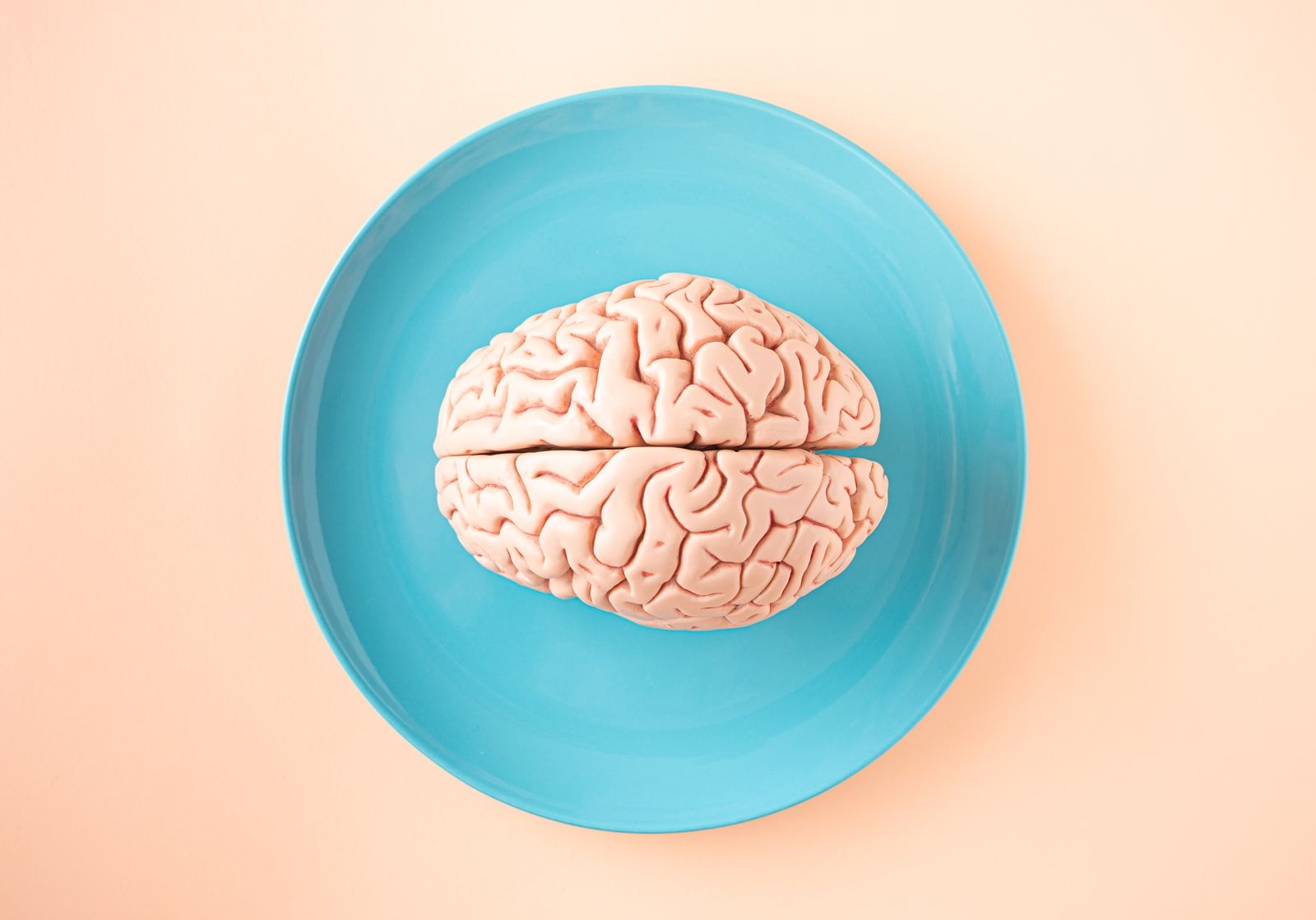
Growing older makes staying mentally sharp both more important and more achievable, thanks to neuroplasticity - the brain's lifelong capacity to adapt, learn and rewire itself. The right habits can preserve, and even improve, cognitive fitness.
What is neuroplasticity?
Neuroplasticity lets the brain reshape its structure and function in response to learning, experience and changes around it - in other words, the brain's ability to learn, remember and adjust when circumstances call for it. Cognitive fitness, your capacity to think, learn and remember, depends heavily on that adaptability.
Physical, mental and social activities together support neuroplasticity. Here are 6 strategies to encourage it and reinforce cognitive function.
1. Move more, think better
Exercise stimulates neuroplasticity by raising levels of brain-derived neurotrophic factor (BDNF), a protein vital for the growth of brain cells. Low BDNF levels may contribute to cognitive decline, affecting memory, concentration and learning.
Aerobic exercise is especially effective - the U.S. Department of Health and Human Services recommends at least 150 minutes of it per week. Strength training and better blood flow also support mood, memory and focus.
2. Feed your brain well
The Mediterranean and MIND diets - built on vegetables, berries, whole grains, fish, nuts and healthy fats - are linked to better brain health and slower cognitive decline. Cutting back on processed foods and refined sugars helps preserve mental clarity and healthy BDNF levels.
3. Keep your brain busy
Mental challenges strengthen neural connections and build cognitive reserve, and lifelong learning is one of the strongest protections for the brain. Try:
Picking up a new skill, language, or instrument
Reading on unfamiliar subjects
Playing demanding games or doing puzzles
Going to cultural events
Travelling somewhere new
Taking up creative hobbies
4. Make quality sleep a priority
Sleep consolidates memories, clears toxins and repairs neural pathways. Even adults over 70 need 7-9 hours a night. If rest is a struggle:
Keep a regular sleep schedule
Get sunlight in the published report
Cut back on caffeine and evening screen time
Create a calm sleeping environment
Exercise regularly, but not right before bed
5. Stress less
Chronic stress raises cortisol, which can damage neurons and hold back neuroplasticity. Mindfulness meditation, deep breathing, music and time in nature all help lower stress and encourage the brain's adaptability.
6. Stay socially connected
Relationships support memory and mental clarity, and conversation exercises key brain functions while building cognitive reserve. Stay connected by:
Travelling or exploring new places
Attending concerts, plays, or museums
Joining community or hobby groups
Spending time with people you love
The takeaway: staying active - physically, mentally and socially - lets you put neuroplasticity to work so you remain sharp and independent as the years go by.