After midterm defeat, Vice President Vance builds his 2028 political identity
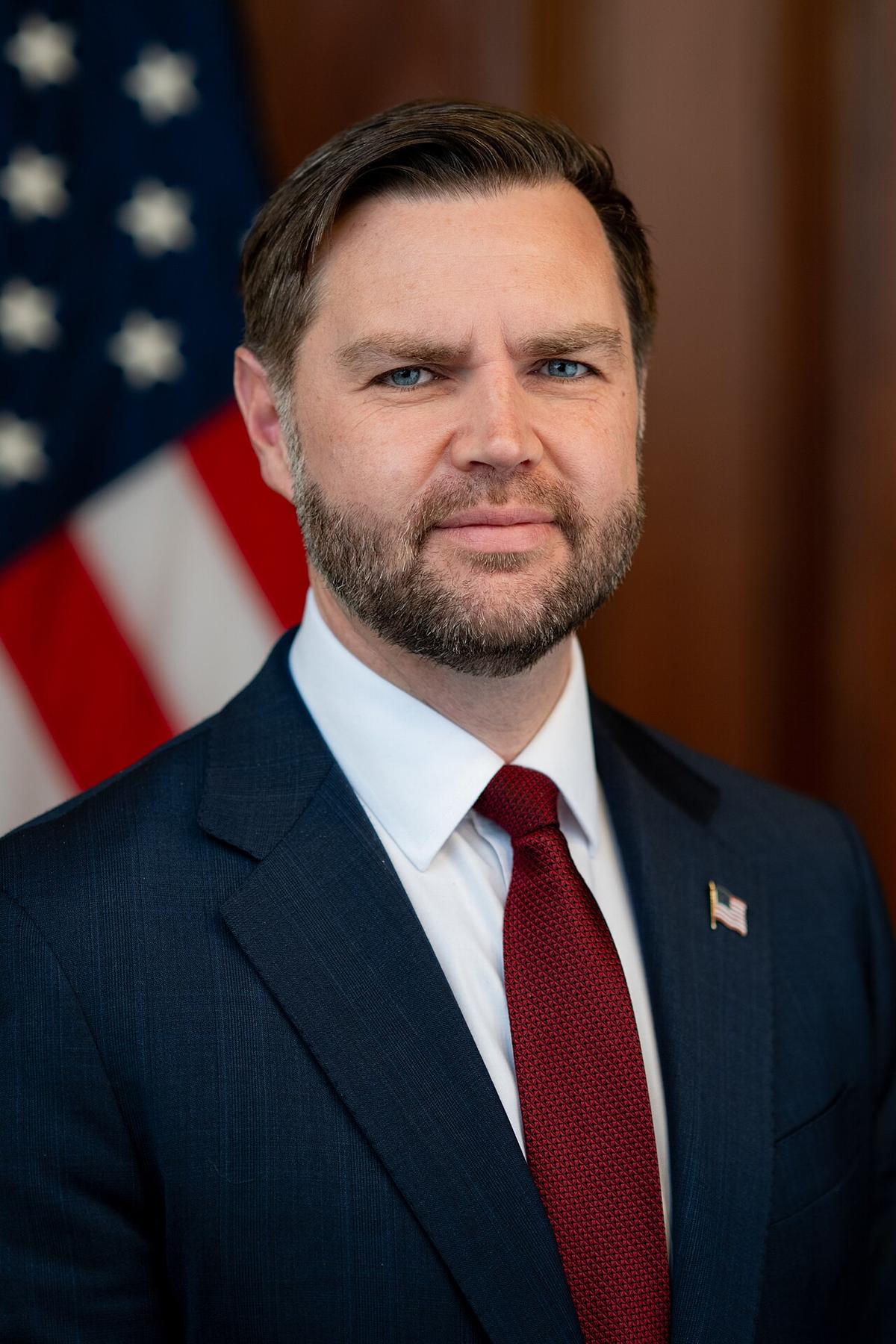
In the final stages of managing the Republican Party's midterm election disaster, US Vice President JD Vance changed his strategy: speaking less about President Donald Trump and focusing on issues that define his own political identity. An analysis of about a dozen speeches he delivered after the party conference held in September confirms this.
In his campaigning for a Republican Party that lost control of Congress in Tuesday's vote, Vance argued almost entirely from his own policy portfolio. He avoided Trump's flagship policies, the Iran war and deportations, at a time when polls showed the president's declining popularity was dragging Republican candidates down. Two people familiar with the strategy said the shift was deliberate: the issues Vance championed, economic nationalism, foreign policy restraint and public safety, are politically strong ones.
Vance, 42, has not yet said whether he will run for president in 2028, and Trump has not endorsed him or anyone else. Still, he is seen as the leading potential candidate, one who would need both to inherit Trump's coalition and to separate himself from Trump's burdens. In a hard-hitting post-election analysis posted on social media on Wednesday, he blamed the Iran war for the midterm defeat and proposed a recovery plan of cutting the cost of living, a foreign policy review and recalibrating the relationship with Israel. Trump has dismissed cost-of-living concerns as a Democratic 'con'.
The significance of the post is that for the first time Vance publicly stood on the side of ending the war. Three people familiar with the White House and Vance's circle said the vice president has not broken from Trump, and that then chief of staff Susie Wiles knew about the post in advance. On Friday, Trump removed Wiles and appointed Stephen Miller in her place, a move political observers say shows the White House intends to double down on Trump's hardline policies.