Stephen Miller as new White House chief of staff; signs confrontational approach will intensify
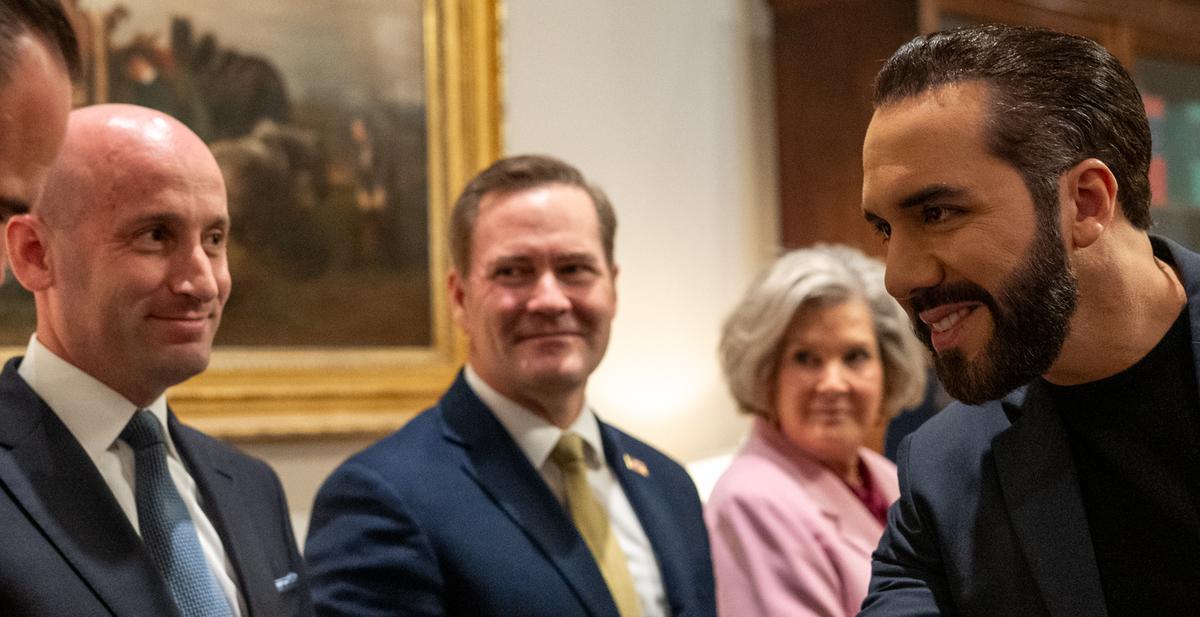
After suffering a heavy defeat in the midterm elections, President Donald Trump initially said there was a chance of cooperating with the Democrats, then suddenly changed course. He removed White House chief of staff Susie Wiles and appointed his longtime close adviser Stephen Miller. The change takes effect from Monday.
Miller, the architect of Trump's hardline anti-immigration policies, is considered the most powerful hardline voice in his inner circle. Analysts say this appointment is a clear sign that Trump has chosen a path of further confrontation.
Even some Republican Party members expressed concern about the choice. Indiana representative Marlin Stutzman said the party lost Latino voters because of the talk of deportations.
One Trump adviser said appointing Miller is the last step one would take if one wanted to work with the Democratic Party. Democrats have already warned they will conduct investigations against Miller; Oversight Committee senior member Robert Garcia said Miller should go ahead and appoint a legal adviser.
Hopes for bipartisan negotiations on immigration legislation have now come into question. The next two years are expected to be filled with clashes between the Trump administration and the Democrats who captured Congress.
UPDATE: Miller, 41, is the opposite of outgoing chief of staff Susie Wiles, a former lobbyist seen as deft at managing competing interests, while Miller is regarded by friend and foe as a combative ideologue. Retiring Nebraska congressman Don Bacon said that when he warned before the election that the president's immigration and tariff policies were alienating voters, Miller refused to accept it.
Beyond domestic affairs, Miller is expected to play a bigger role in foreign policy. Three sources familiar with his thinking say he opposes prolonging the war with Iran, though he strongly supports Israel.
UPDATE: Miller has previously criticised India's trade policies and immigration practices; in August 2025, questioning India's purchase of Russian crude oil, he said it financially helps the Russia-Ukraine war. Experts doubt America will take immediate major action, noting the two countries need each other, and that major visa changes need the approval of the US Congress. With the India-US trade agreement in its final stage, the appointment is unlikely to affect it much.