Chinese factories are going direct on TikTok - plus the logo research that could lift your sales
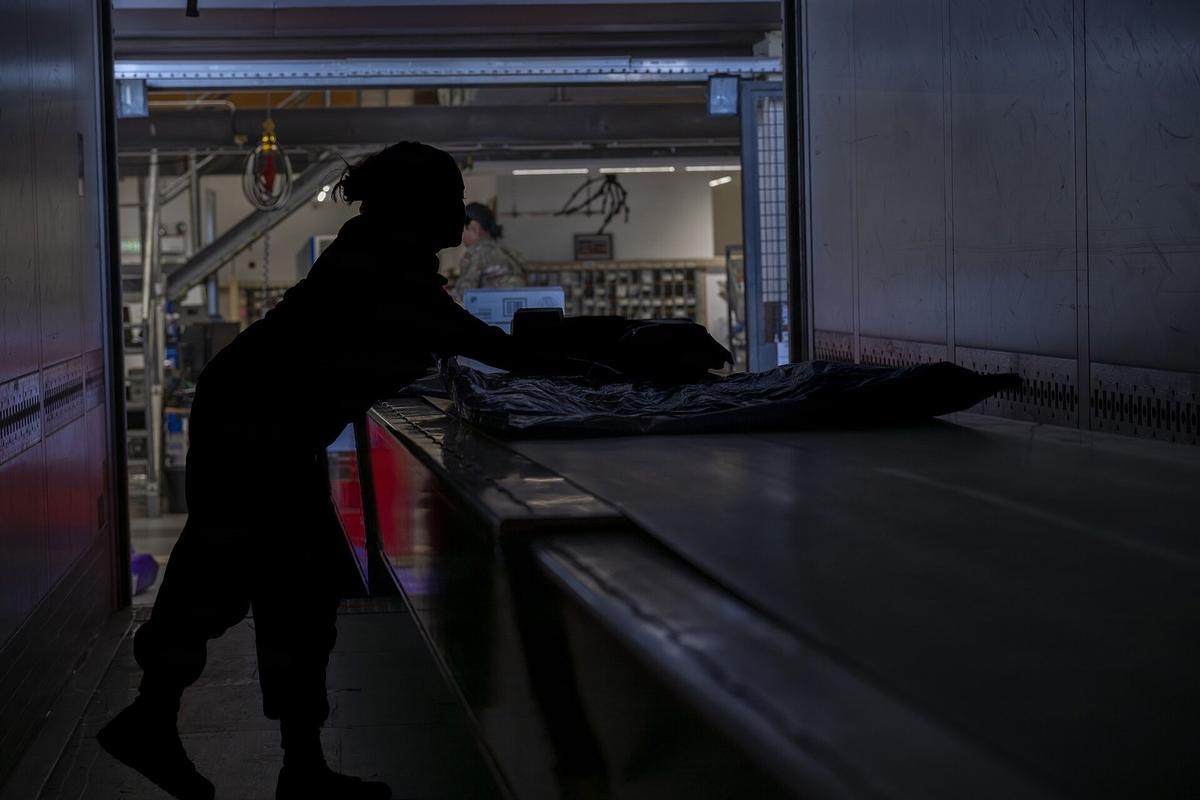
For decades, Chinese manufacturers were invisible: they made the products, someone else's label went on, and containers shipped to Amazon warehouses. The factory never knew the customer; the customer never knew the factory. That is changing fast on TikTok Shop, which hit nearly $100 billion in GMV in 2025 with more than 400 million active shoppers across 17 markets - and factories are using it to bypass the middleman playbook and sell directly to global consumers.
The on-the-ground examples are striking. A Christmas tree factory in Dongguan sold $500K of collapsible trees in four months - a product that would have been buried on Amazon because nobody searches for "foldable Christmas tree," but a short video of one popping open in seconds sells itself. A nut milk maker could not get traction on Amazon against established blender brands; then a creator with 300K followers posted a demo that pulled 2.2 million views and drove monthly sales to $1.4 million - and lifted the brand's Amazon sales 60 percent through the halo effect, as people discovered the product on TikTok and then searched for it on Amazon. A wig manufacturer in Xuchang now iterates products in real time based on TikTok comments and livestream feedback - when customers said glueless wigs felt unstable, detachable clips were added within days. And a plus-size clothing factory doing $16.8 million a year as an anonymous OEM supplier built its own brand through TikTok Shop; one viral dress sold 120,000 units in five months, and every garment leaving the factory now carries the company's own tag.
The structural point: if your Chinese supplier is watching TikTok comments to figure out what customers want next, they no longer need your product roadmap - they have their own, plus real-time market intelligence most sellers reading keyword data and BSR rankings never see. TikTok Shop is especially dangerous for products best understood through demonstration: if your product has a "wow" moment a static Amazon listing cannot capture, someone in Shenzhen is probably already filming it. Amazon is not dying - the nut milk example shows TikTok discovery feeding Amazon search - but the factories that used to be your supply chain are becoming your competition, building audiences instead of just listings.
TikTok Shop's January leaderboard shows where the money is: beauty, skincare, and affordable fashion dominate. The top shop, a skincare brand, did $15.48 million in the month moving 452K units at a premium ~$35 average order value; only 4 of the top 10 grew month over month after the holiday quarter; seven of ten held their December rank, suggesting the hierarchy is stabilizing; and price points cluster in the mid-ticket $25 to $60 band, not impulse-only pricing. The breakout winner, a cosmetics brand, jumped from #9 to #3 with 103.8 percent growth to $10.79 million by pairing a lower ~$26 AOV with huge volume. Demonstrable, creator-friendly products keep winning; higher ticket can still move when content and utility are strong.
Now, that logo. Research across 7 experiments with more than 4,000 people found that logos which visually describe what a company does - versus abstract or unrelated designs - made people rate brands up to 27.7 percent more authentic and 18.7 percent more positive, and made them more likely to buy. The effect is strongest for new or unfamiliar brands, which is exactly what most Amazon brands are to most shoppers. Your logo shows up on your storefront, A+ Content, packaging, and Sponsored Brands ads, often in a split-second scan. A descriptive mark is easier to process, and that clarity reads as honesty, which builds trust, which drives clicks. Practical application: kitchen products can work in a subtle utensil or flame; pet supplies a paw print or silhouette; supplements a leaf or capsule shape. Match colors to category cues too - earth tones for organic, blues for wellness, bold colors for kids. One caveat: the effect reverses for products people find undesirable (lice treatment, wart removers); if your product solves an embarrassing problem, an abstract logo performs better - nobody wants a giant wart on their shampoo bottle.
In the wider AI shopping wars, big tech is teaming up against Amazon: Google, OpenAI, Shopify, PayPal, Stripe, Walmart, Target, and Etsy are forming an unusual web of alliances to let consumers discover and buy products through AI chatbots without ever visiting Amazon. Walmart, Target, and Etsy are selling through Gemini and ChatGPT; Shopify has partnered with nearly everyone except Amazon and takes a cut when its merchants sell through AI apps; PayPal has AI commerce deals with virtually every major player except Amazon, leaning on its 430 million wallets. Amazon is going it alone - blocking outside shopping bots while building Rufus, its own agentic assistant that can even shop other retailers' sites. The wildcard: Amazon is reportedly in talks to invest $50 billion in OpenAI, potentially including a ChatGPT shopping partnership, and its CEO has said he is open to AI shopping partnerships on the right terms. For sellers, the implication is that answer engine optimization may soon matter as much as traditional Amazon SEO, and a multichannel presence is becoming the hedge.
Quick hits: QVC is reportedly on the brink of bankruptcy; a major beauty brand is suing Walmart.com over fake Chinese products sold on its marketplace; and US consumers were expected to spend a record $29.1 billion on Valentine's gifts this year.