Why aging may cause eye problems
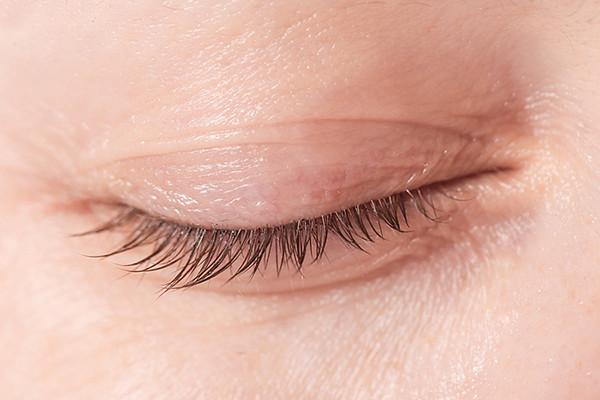
Age, certain medical conditions, and some cosmetic treatments can all affect the muscles and skin of the upper and lower eyelids. Often the change affects only your appearance, but sometimes it can interfere with vision or irritate the eyes.
Blepharitis. This is inflammation of the eyelids, and it can stem from a problem with the oil glands near the base of the lids, a bacterial infection, or skin conditions such as rosacea or seborrheic dermatitis (dandruff of the scalp and eyebrows). Blepharitis usually does not threaten sight, but it can leave eyelids red, itchy, and swollen, and eyes red and watery. Mild cases respond to gentle lid washing, warm compresses followed by lid massage, and artificial tears. More persistent symptoms call for an ophthalmologist, and stronger treatment may involve antibiotic eyedrops or ointment plus a topical corticosteroid made specifically for eyes.
Ptosis. As the years pass, the upper eyelids may begin to sag as their supporting muscles weaken. Eye injury, nervous system problems, and diseases such as diabetes or myasthenia gravis can cause the same thing. Botulinum toxin injections used to smooth brow and forehead wrinkles can also trigger drooping that lasts up to three months.
Upper eyelid drooping is frequently only a cosmetic issue, but a lid loose enough to cover part or all of the pupil can block sight. A medical exam is needed first to find the cause. When a disease is responsible, the drooping generally improves once that disease is treated. When botulinum toxin is responsible, the problem should clear on its own in about three to four months as the injection wears off.
If a droopy lid bothers you or blocks your vision and is not caused by a treatable disease, surgical repair is an option. The ptosis repair procedure removes excess tissue and lifts the lid. Many health insurers cover the operation, but only when the ptosis affects vision. Your ophthalmologist or oculoplastic specialist can tell you whether you qualify.
Blepharochalasis. When eyelid skin loses elasticity and sags, it forms new folds that can hang over the lashes and block the upper field of vision by covering the pupil. Here, only the lid's skin droops, unlike ptosis, where the whole lid sags because of muscle weakness. A surgical procedure called blepharoplasty can correct it. As with ptosis, most insurers pay only when the condition interferes with vision.
Ectropion. This occurs when lower lid muscles weaken, letting the lid sag and turn outward, away from the eyeball. The upper and lower lids then no longer meet when the eye closes, and the eye may water excessively. The constantly exposed cornea and conjunctiva can become red and irritated. Mild cases need no treatment: over-the-counter artificial tears and a plastic eye shield worn at night help hold in moisture. If symptoms or appearance bother you, surgery can tighten the lower lid and nearby muscles.
Entropion. Here the lower lid rolls inward toward the eye. Because the lashes constantly rub the cornea, entropion can cause irritation, a gritty feeling of something in the eye, tearing, and blurred vision. In mild cases, taping the lower lid to the cheek each night can keep the lid edge and lashes in their proper position; ask your doctor whether this would suit you and how to do it correctly. A surgeon can also fix the problem with a relatively simple procedure that removes a small piece of the lower lid to tighten its skin and muscles.